Custom Anchor Solutions for Secure Mooring

application/custom-anchor, application/custom-anchor, 
Inquiry
Inquiry

custom anchor

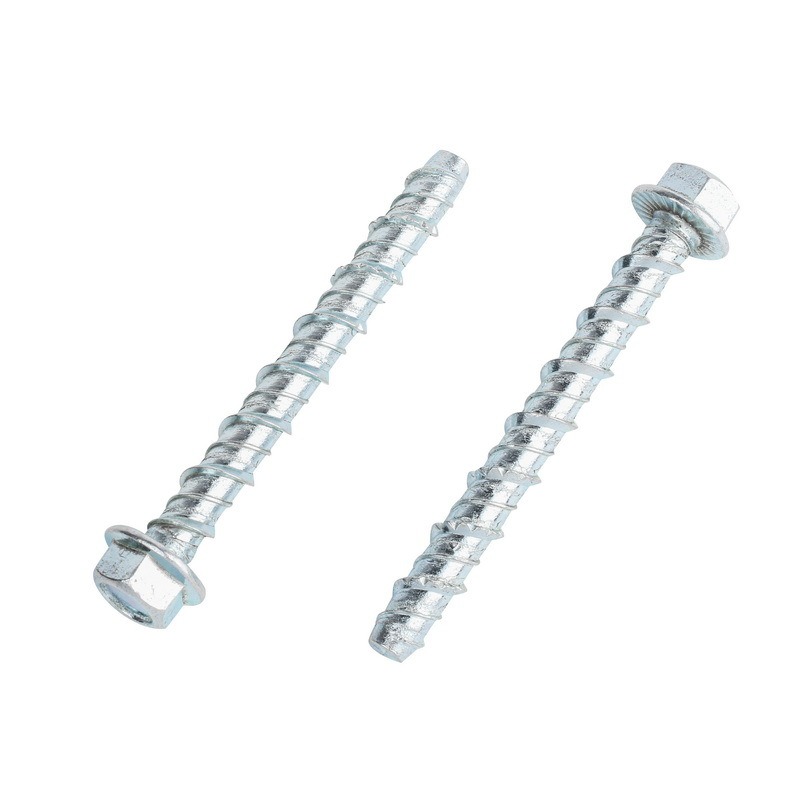
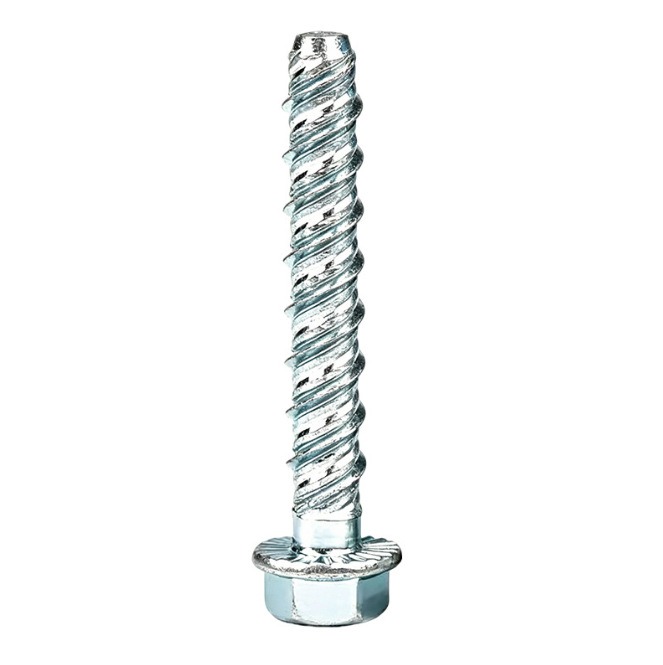
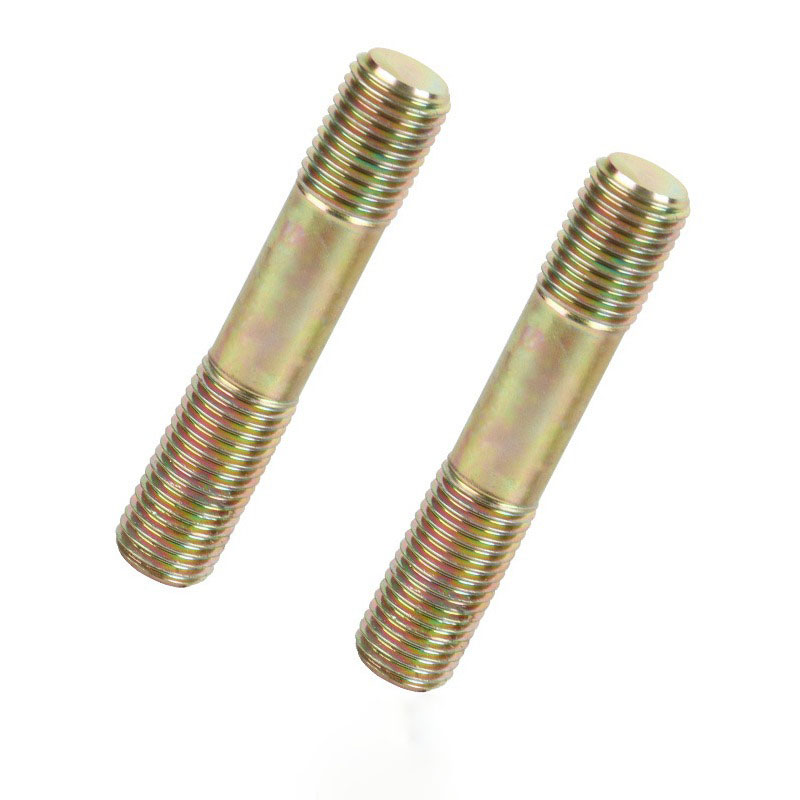
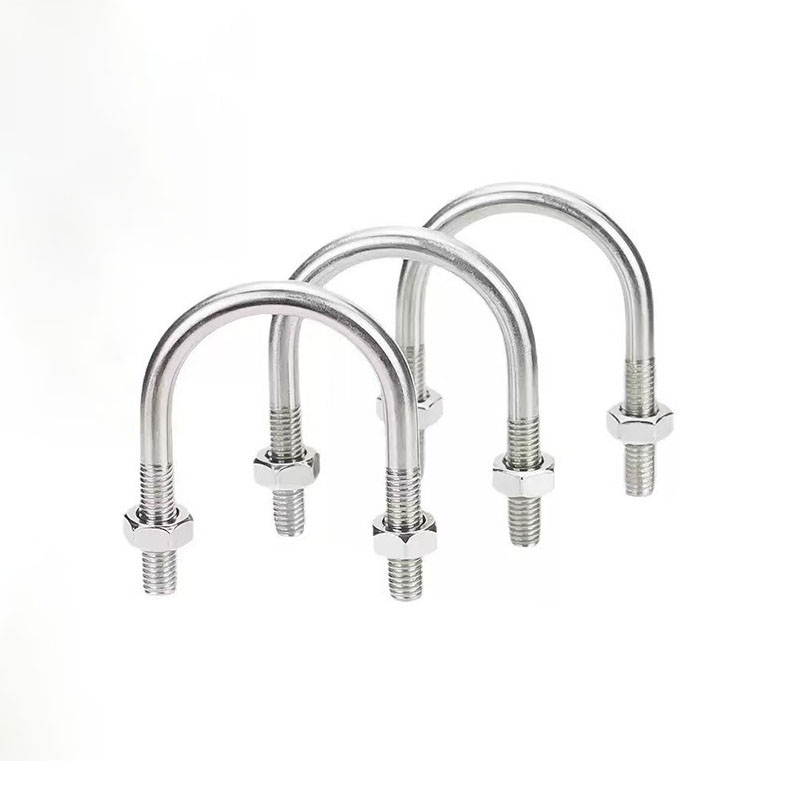
A custom anchor is a purpose-built anchoring component designed to hold equipment, structures, vessels, or loads in a defined position. Unlike a standard anchor selected from a limited size range, a custom anchor matches the customer’s load requirements, installation space, material conditions, and operating environment. This approach helps buyers secure reliable performance when an off-the-shelf product cannot provide the correct fit. Each custom anchor can be developed around dimensions, holding force, connection style, weight limits, and site conditions. Engineers may use CAD modeling and load calculations to define the shape before production. CNC cutting, precision forming, controlled welding, and dimensional inspection help maintain consistent quality. Depending on the application, manufacturers can produce a custom anchor from carbon steel, stainless steel, galvanized steel, or other suitable alloys. Protective finishes, such as hot-dip galvanizing, powder coating, or specialized corrosion protection, can extend service life in wet, salty, chemical, or outdoor environments. A custom anchor may include drilled holes, threaded sections, welded eyes, plates, flukes, hooks, or other connection features. It can also support specific installation methods, including bolting, welding, driving, casting, or temporary placement. Marine operators use a custom anchor for mooring and positioning. Construction teams use one to secure temporary works, barriers, frames, and structural elements. Utility, agricultural, transport, and industrial users can apply the same solution to equipment restraint and site support. The main value of a custom anchor is controlled fit, dependable holding, and practical integration with the customer’s complete system.
Choosing a custom anchor gives buyers more control than relying on a general-purpose product. The design can match the real load, soil, water depth, installation angle, and available space instead of forcing the project to adapt to standard hardware. This better fit can improve stability and reduce movement, which helps protect connected equipment and lowers the risk of costly interruptions. A custom anchor also lets buyers select materials and finishes that suit the working environment. Stainless steel may support demanding wet conditions, while galvanized steel can provide a practical balance of protection and cost for outdoor use. For harsh marine or industrial locations, the right coating can slow corrosion and reduce replacement needs. The design process can include drawings, sample approval, load review, and inspection records. These steps give purchasing teams useful evidence before they commit to production. They also make it easier to confirm that a custom anchor will connect correctly with chains, cables, frames, concrete, or other supporting parts. A custom anchor can simplify installation because its holes, tabs, threads, lifting points, or weld areas can be positioned for the actual site. Installers may spend less time modifying parts in the field, cutting material, or creating improvised connections. This can shorten setup time and improve workplace safety. A custom anchor also supports repeat orders. Once the specification is approved, the supplier can reproduce the same dimensions and performance for future projects. That consistency helps organizations control inventory and maintain replacement compatibility. The product suits marine mooring, construction restraint, utility support, agricultural equipment, transport systems, and industrial fixtures. Buyers should still confirm working loads, safety factors, ground conditions, corrosion exposure, and installation instructions with the supplier. With those details defined, a custom anchor becomes a practical investment in fit, reliability, service life, and total operating value.

Latest News

Beyond Galvanizing: How the Sherardizing Process Builds Ultimate Protection for High-End Steel

21

Jul

Beyond Galvanizing: How the Sherardizing Process Builds Ultimate Protection for High-End Steel

Why Sherardizing outperforms galvanizing for high-end steel—extreme corrosion resistance, zero hydrogen embrittlement & self-healing protection.
View More
New Chapter in Sino-Ethiopian Trade Cooperation: Securing a Long-Term Fastener Procurement Agreement

21

Jul

New Chapter in Sino-Ethiopian Trade Cooperation: Securing a Long-Term Fastener Procurement Agreement

How China & Ethiopia secured a long-term fastener supply deal for East Africa's booming industrial sector. Discover reliability, scalability & global impact.
View More
Full Container Ready for Shipment! Premium Fasteners Bound for the U.S. Industrial Market

21

Jul

Full Container Ready for Shipment! Premium Fasteners Bound for the U.S. Industrial Market

Need reliable, ocean-ready fasteners for U.S. industrial buyers? Our full-container shipment delivers certified quality, export-optimized packaging & seamless logistics.
View More

Get a Free Quote

Our representative will contact you soon.
0/1000
Engineered Fit for Exact Site Conditions

Engineered Fit for Exact Site Conditions

The strongest selling point of a custom anchor is its ability to fit the actual project rather than an assumed average situation. Engineers can adjust length, width, thickness, plate shape, attachment points, and holding features around the available space and expected forces. A custom anchor can therefore work with unusual foundations, narrow access areas, sloped surfaces, uneven ground, or specialized connection systems. The supplier can review drawings, photographs, load data, and installation plans before finalizing the design. This process helps prevent interference with nearby components and reduces the need for field alterations. For customers, the result is a cleaner installation and a more predictable outcome. A custom anchor also supports repeatable manufacturing when several identical units are needed. Consistent dimensions make replacement simple and help crews use the same installation method across different locations. By solving fit issues at the design stage, this option can save labor, limit material waste, and reduce delays caused by unsuitable standard hardware.
Durable Materials and Protective Finishes

Durable Materials and Protective Finishes

Material selection gives a custom anchor practical value in environments where moisture, salt, chemicals, abrasion, or repeated loading can shorten product life. The manufacturer can recommend carbon steel, stainless steel, galvanized steel, or another suitable material based on the application and budget. A custom anchor may also receive hot-dip galvanizing, powder coating, paint systems, or another protective finish. These choices help limit rust, preserve surface strength, and maintain a dependable connection over time. Buyers do not have to pay for excessive protection when the operating environment does not require it, yet they can specify stronger protection for marine, coastal, industrial, or outdoor use. Production controls such as weld inspection, dimensional checks, and load testing add confidence that the finished part matches the approved design. A custom anchor built with the right material and finish can reduce maintenance visits and replacement frequency. That means better uptime, more predictable ownership costs, and stronger value over the working life of the product.
Broad Application and Installation Support

Broad Application and Installation Support

A custom anchor provides flexibility across projects that need secure positioning but use different installation methods. Marine customers can specify an anchor for mooring, buoy control, dock equipment, or vessel support. Construction teams can use a custom anchor for temporary structures, barriers, frames, concrete connections, and site restraint. Utility, agricultural, transport, and industrial operators can adapt the same product concept for poles, machines, containers, platforms, and protective systems. The design may include bolts, weld areas, threaded connections, eyes, hooks, plates, or cast-in features to match the planned installation. This reduces the need to combine unrelated parts or modify hardware after delivery. A custom anchor can also be produced in quantities suited to a single installation or a larger rollout. Clear drawings and installation guidance help crews understand orientation, connection points, and load direction before work begins. The result is easier coordination, faster deployment, and a dependable solution that fits the customer’s operating process.