EN

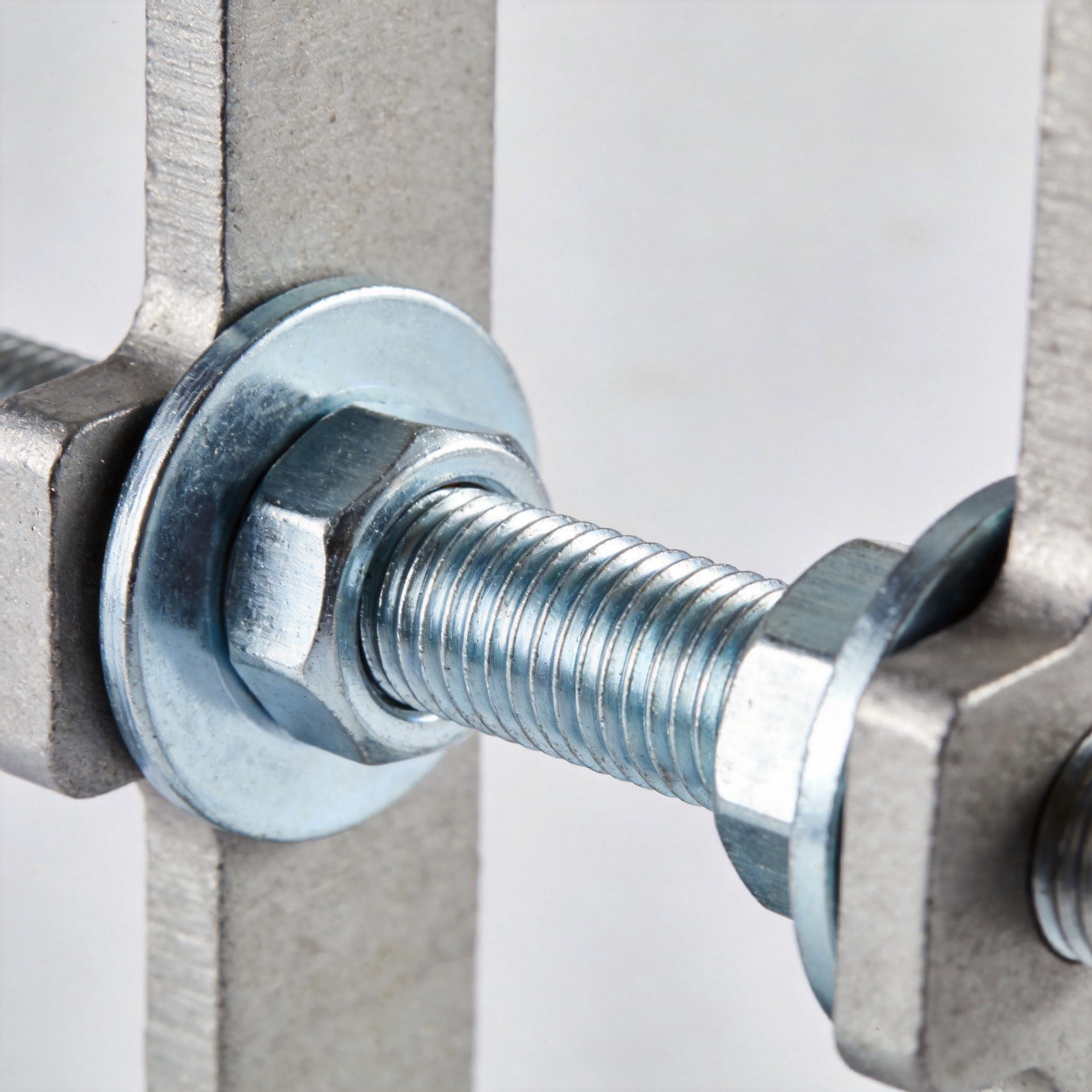
How Do Washers Improve Fastener Performance in Assembly?
A washer may look like a small addition to a bolted joint, yet it can change how load, friction, and surface pressure are managed during assembly. For an assembly engineer, the useful question is not whether every fastener needs a washer. It is whether a particular washer gives the joint a more stable bearing surface and a more repeatable tightening condition for the materials and service loads involved.
In practical work, a fastener washer sits beneath a bolt head or nut and becomes part of the joint’s bearing contact surface. The right choice can spread compressive load, protect a softer surface, and support the intended clamp load. The wrong choice can add height, alter friction, damage a coating, or create a false sense that a locking feature alone will solve a joint-design problem.
What a washer changes in a bolted assembly
When a bolt or screw is tightened, the head or nut transfers force into the clamped parts through a relatively small contact area. An assembly washer changes that contact surface. Its outside diameter, thickness, hardness, finish, and shape influence how the bearing load reaches the joint material.
That matters because a threaded fastener works by developing preload: tension in the fastener that compresses the joined parts. NASA guidance on threaded fastening regards preload as a primary feature of a properly designed preloaded joint. A washer does not create preload by itself, but it can help the bearing surfaces support the preload that the specified installation process is intended to establish.
Four ways washers can improve fastener performance
1. They distribute bearing load over a wider area
A plain flat washer increases the contact area between the fastener and the workpiece. This is especially helpful with softer materials, thin sheet, plastics, painted surfaces, and slotted or oversized holes. Without a suitable washer, the rotating nut or bolt head can locally indent the material, pull toward a slot, or damage a finish before the joint reaches its intended clamp condition.
Load distribution is not a promise that any larger washer is preferable. The washer must still fit the joint geometry, clear nearby features, and have enough stiffness for the bearing load. In a thin panel, a larger outside diameter may reduce localized pressure; in a confined assembly, it may interfere with a flange or recess.
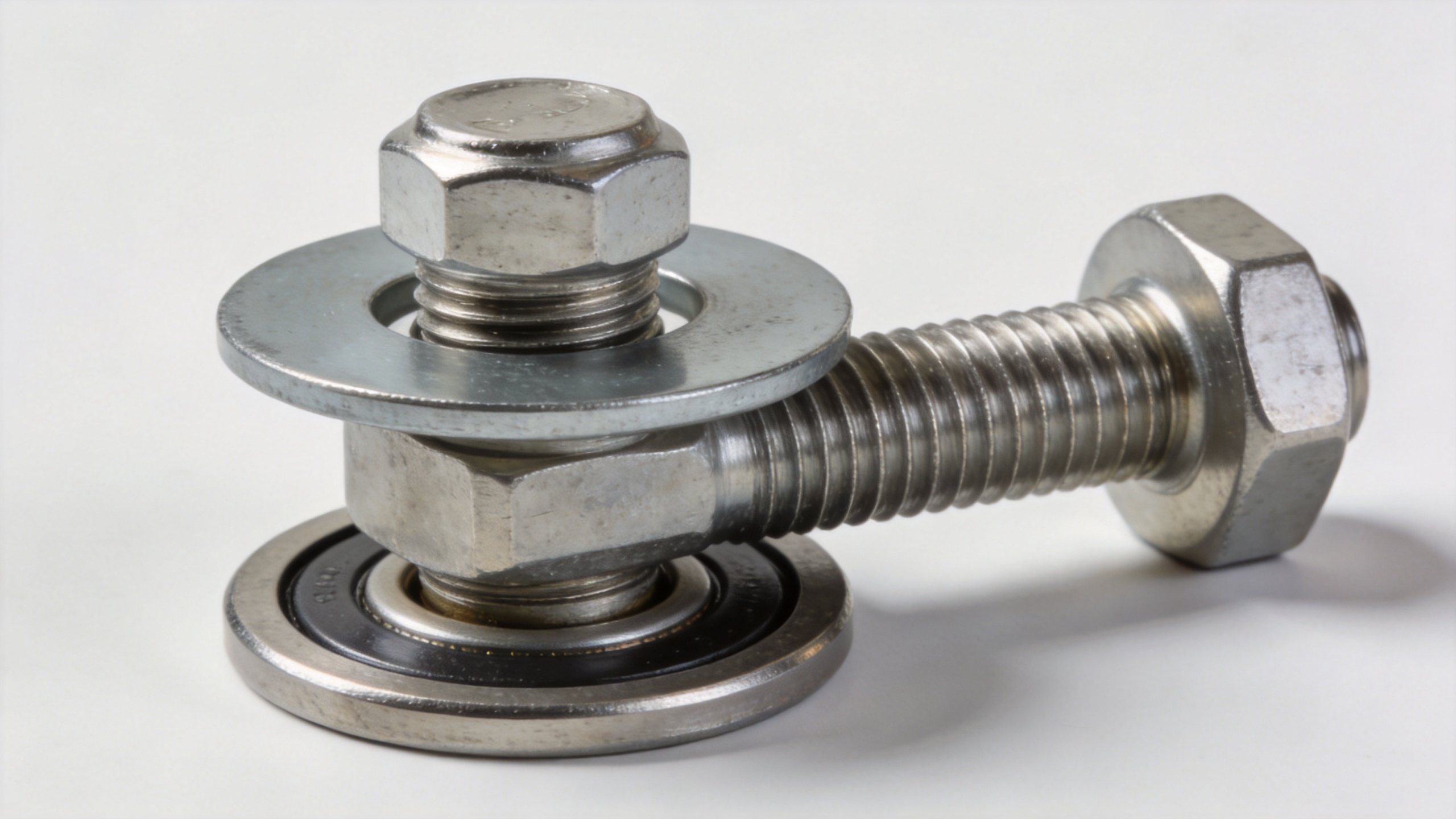
2. They provide a controlled bearing surface for tightening
Torque is only an indirect way to target preload. A commonly used relationship expresses nominal preload as torque divided by the product of a nut factor and nominal fastener diameter. The nut factor changes with thread condition, lubrication, and bearing-surface friction. A consistent industrial washer surface can therefore be useful when an assembly process relies on a defined combination of fastener, coating, lubricant, washer, and torque instruction.
This does not mean a washer makes torque-to-tension results identical from part to part. Surface finish, coating thickness, debris, tool speed, and joint settlement still matter. Treat the washer as one controlled element in a validated fastening system, rather than as an interchangeable ring added late in production.
3. They can reduce damage and embedment at the contact surface
As a joint is tightened, small high points on mating surfaces can flatten. Coatings can compress, and softer materials can settle under the bearing face. That settlement can reduce clamp load after installation. A washer with material and hardness suited to the joint can limit local damage at the bearing contact surface and create a more durable contact surface.
For example, a hardened washer is often considered with high-strength fasteners where the bearing surface needs to resist indentation. Conversely, placing a very hard washer against a delicate finished surface may be unsuitable unless the contact surface has been evaluated. The useful selection criterion is compatibility with the complete stack-up, not hardness in isolation.
4. They support—rather than replace—vibration resistance
Vibration can lead to joint movement, preload loss, and loosening when loads are sufficient to cause slip at threads or bearing surfaces. Some washer forms are designed to add spring action, serration, or another locking behavior. Their performance depends on the joint materials, available clamp load, load direction, surface condition, and validation method.
A lock-style washer should not be selected as a substitute for correct fastener size, grip length, tightening control, or joint stiffness. In critical assemblies, confirm the approach with the applicable design standard, test method, and service environment. A joint that slips because preload is too low needs a system-level review, not simply a different washer style.
Choose the washer type by the job it must do
| Washer type | Common assembly purpose | Selection checkpoint |
|---|---|---|
| Flat washer | Spreads bearing load and protects the work surface. | Match inside diameter, outside diameter, thickness, and material to the fastener and clamped part. |
| Hardened flat washer | Provides a durable bearing face for higher-strength fasteners. | Check hardness, coating compatibility, and the specified fastener system. |
| Fender or large-OD washer | Spreads load across thin sheet or a large hole. | Verify clearance and make sure the workpiece is supported adequately. |
| Spring or conical washer | Can add elastic behavior in suitable designs. | Assess deflection range, relaxation, and stack-up height. |
| Locking washer form | Addresses a defined loosening mechanism in selected applications. | Use only with a validated combination of material, finish, preload, and dynamic loading. |
A practical washer selection sequence
- Define the joint material and geometry. Note the bearing surface, hole type, coating, available clearance, and whether the material is prone to indentation.
- Define the fastener system. Confirm thread size, grade, head or nut style, grip length, torque or tension method, and any lubricant or coating.
- State the required function. Is the goal load distribution, surface protection, bearing-surface durability, spring action, or a tested locking function? One washer performance requirement should be clear before selecting a type.
- Check the stack-up. Adding a washer changes grip length and may move threads into an undesirable shear plane or alter engagement. Confirm that the selected fastener still suits the assembled thickness.
- Validate the assembly process. Trial the real materials and finishes. Inspect for coating damage, washer tilt, seating behavior, torque scatter, and any loss of clamp load after the expected service exposure.
Common mistakes that reduce washer performance
- Using a washer only because it is customary, without defining its bearing or locking function.
- Mixing plated, lubricated, and uncoated components while keeping the same torque instruction.
- Adding thickness without rechecking grip length and thread engagement.
- Using a washer that is too soft for the bearing load or too hard for a sensitive finished surface.
- Assuming a lock washer compensates for joint separation, poor fit-up, or insufficient preload.
- Ignoring washer orientation where the form is directional.
Inspect the joint, not just the washer
Good washer performance is visible in the assembled joint. After tightening, look for centered seating, full contact, no obvious dish or crack, no excessive coating damage, and no contact with nearby features. Where the application is important, use the process controls appropriate to the assembly: torque-angle monitoring, tension verification, audit testing, or service simulation.
The most reliable result comes from treating the washer, fastener, clamped material, and installation method as one system. A well-matched fastener washer can protect the bearing surface, distribute load, and help the joint retain a useful clamp condition. It cannot correct a poorly designed stack-up, but it can be a precise and valuable part of a sound assembly plan.