EN

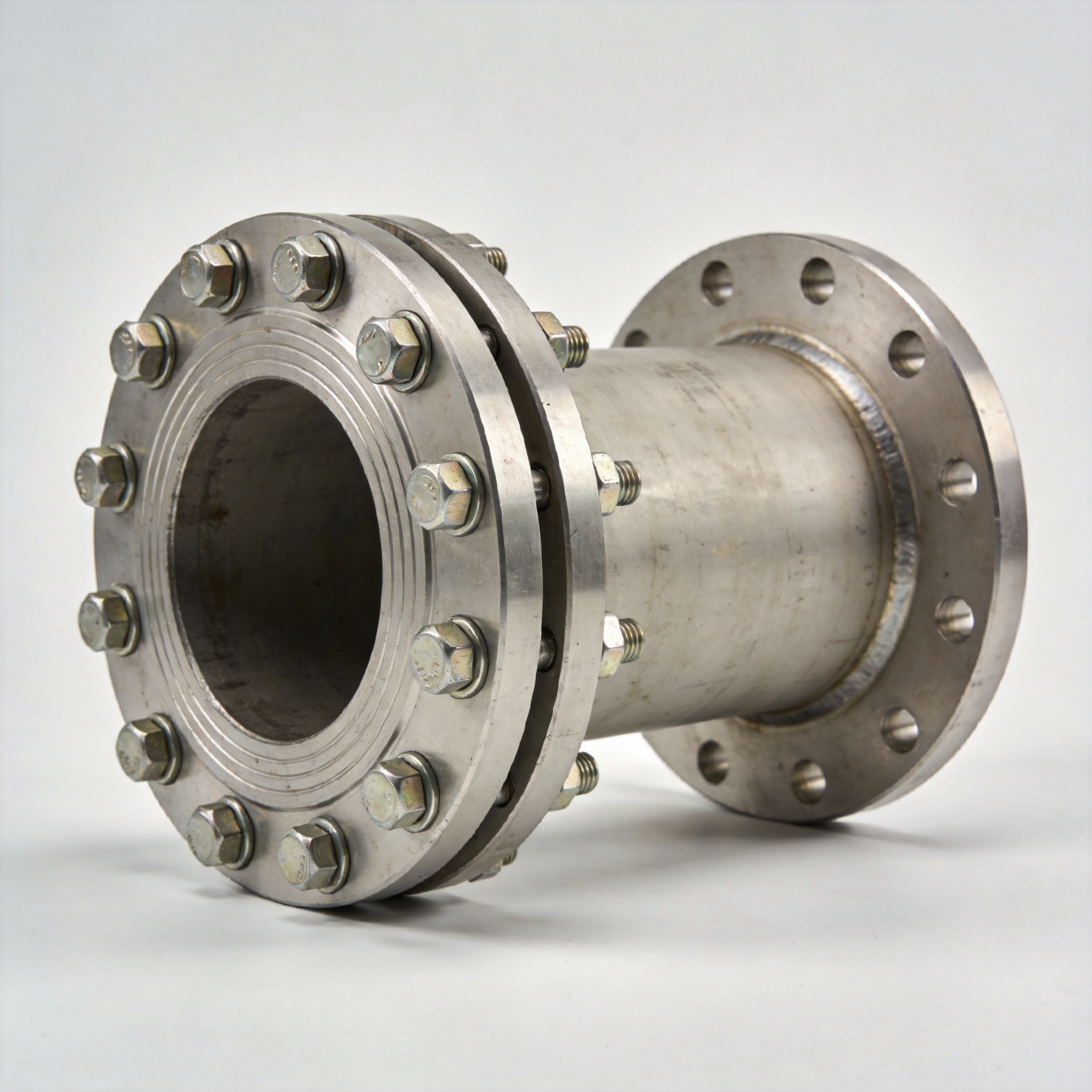
How to Stop Stud Stretch in Long Term High Heat Industrial Operations
When a hot joint loses clamp load, the first question is usually whether the studs have “stretched.” That description is useful, but it can hide several different mechanisms: elastic extension under preload, permanent plastic elongation, creep, stress relaxation, embedment, gasket seating loss, or differential thermal expansion. In long-running equipment, the practical goal is not to make Studs rigid. It is to keep the bolted joint inside its approved preload window throughout heat-up, steady service, and shutdown.
For maintenance teams in process, power, and heavy mechanical service, a credible answer starts with the joint rather than the fastener alone. A threaded stud can be manufactured correctly and still lose effective clamp load if the material, thread engagement, nut system, lubrication, tightening method, flange stiffness, gasket behavior, and thermal cycle were not evaluated together.
Why Studs Lose Clamp Load at Elevated Temperature
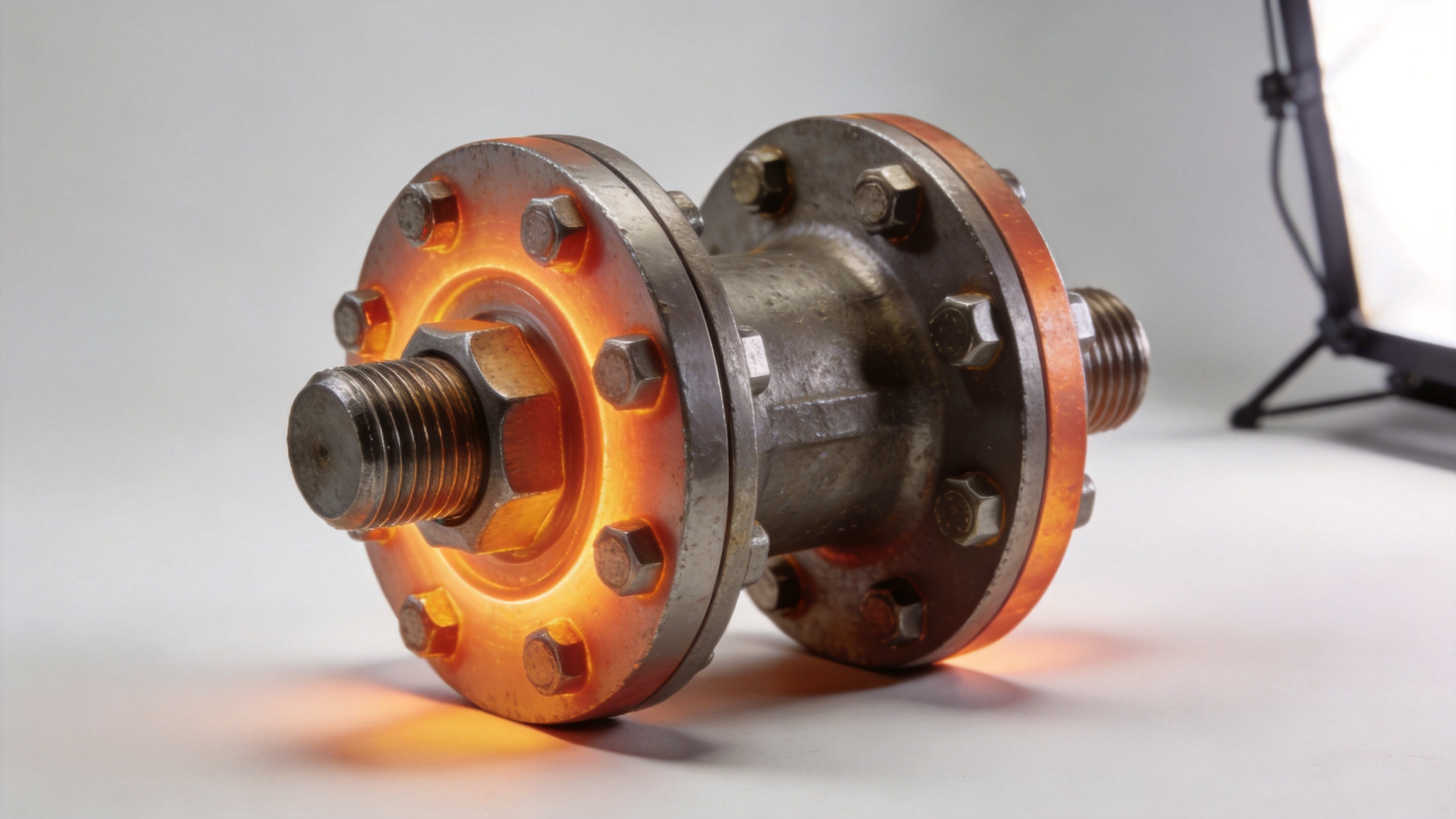
Studs act like springs when tightened. Installation elongates the stud and compresses the joint; the stored elastic energy creates clamp load. Heat changes the balance. If service stress and temperature are high enough for the selected material, time-dependent deformation can add permanent extension. At the same time, the gasket, flange faces, coatings, threads, or washer interfaces can settle. Either route reduces the tension retained by the Studs.
Do not assume every loss is creep. A rapid load drop after commissioning may point to embedment, coating squeeze-out, gasket seating, or inconsistent assembly friction. A gradual trend over sustained high temperature is more consistent with relaxation or creep-related behavior. Thermal cycles can add another issue: the clamped parts and the stud bolt may expand at different rates, so the joint’s preload changes while temperature changes.
Start With Evidence, Not a Generic Retorque
Before changing a maintenance practice, record the joint identification, service temperature profile, pressure, cycle count, fastener marking, nut grade, lubricant, tightening sequence, target load or torque, gasket type, and any leak or movement history. Measure exposed length only as a screening aid; it does not by itself establish permanent strain. Compare removed components to an approved baseline, and use the site’s engineered inspection method for thread condition, nut fit, corrosion, distortion, and hardness where applicable.
A useful field distinction is this: if many Studs on one joint show similar loss, investigate the assembly process, gasket behavior, or flange stiffness. If one position repeatedly behaves differently, inspect local temperature, alignment, damaged threads, seating, or bending. A single badly loaded location can tell you more than an average torque reading.
Match the Threaded Stud Material to the Real Temperature Envelope
Material selection for a threaded stud must consider metal temperature, exposure duration, corrosion, design stress, diameter, required documentation, and the governing equipment code. Common high-strength alloy fasteners are not interchangeable simply because they fit the same thread. For elevated-temperature bolting, an engineer may compare qualified ASTM A193 grades such as B7, B16, B8, or B8M, but the selected grade must match the complete design basis and approved material specification.
It is tempting to select a stronger grade and move on. That can be the wrong fix. Higher room-temperature strength does not automatically provide the needed creep resistance, oxidation behavior, compatibility with the nut, or ductility at operating temperature. Confirm the nut grade, coating or plating restrictions, and traceability requirements as part of the set. For critical joints, retain mill certificates and batch records so replacement Studs can be checked against the project specification.
Control Assembly Variables That Quietly Consume Preload
High-temperature reliability begins before start-up. Clean, compatible threads; verified engagement; properly prepared bearing faces; controlled lubrication; and a calibrated tightening method reduce scatter between individual Studs. Torque alone is an indirect indicator because friction can vary significantly. Where the joint procedure allows it, methods such as controlled torque with an approved lubricant, tensioning, or bolt-load measurement may provide a more repeatable result.
- Use the approved cross-pattern and staged passes so the gasket and flange are loaded progressively.
- Keep the same documented lubricant and application practice; changing it can change the torque-to-tension relationship.
- Check that nut bearing faces are square and that the load path is not bending the Studs.
- Confirm usable thread engagement and avoid relying on damaged or heavily coated threads.
- Follow the project procedure for any hot-tightening or post-heat-cycle check; do not improvise a retorque on a pressurized or hazardous system.
ASME PCC-1 is widely used as an assembly guidance reference for pressure-boundary bolted flange joints. Its value here is the discipline of a documented process: qualified procedure, trained personnel, consistent sequence, and a clear decision on what verification is permitted for the application.
Separate a Double Ended Stud From a Welded Attachment Problem
A double ended stud used in a flange or tapped-hole assembly should be evaluated for engagement at both ends, installation depth, bottoming risk, and the thermal behavior of the parent material. Loss of clamp load can be driven by the tapped component rather than the stud body. Inspect whether the loaded thread length and the female thread material are appropriate for the service.
A welding stud is a different fastening system. Its integrity depends on weld process qualification, base-material condition, heat input, and the intended structural load path. Do not substitute conclusions from a welding stud inspection for a pressure-joint stud bolt review. The connection type determines the failure modes and the inspection plan.
Build a Heat-Cycle Monitoring Plan
For chronic issues, track Studs by joint and position across shutdowns. Include installation date, lot traceability, torque or tension record, service temperature, observed leakage, gasket replacement, and inspection findings. The trend is more useful than a single post-event measurement. A position that loses load after every cycle may need a design review of flange rigidity, expansion mismatch, gasket selection, or operating transients.
Plan replacement before a turnaround when the history shows repeated relaxation, visible thread damage, corrosion, or uncertain traceability. Qingdao Jeekuu can support drawings-based or specification-based discussions for custom fasteners, with material documentation requirements clarified before manufacture. That conversation should begin with the approved joint data, not only a nominal size.
A Practical Decision Sequence
- Confirm whether the observed issue is permanent elongation, seating loss, leakage, or a measurement artifact.
- Review the temperature-time history and compare it with the approved material and joint design basis.
- Inspect the complete fastener set, gasket, flange faces, engagement, and assembly records.
- Correct the assembly method and documentation controls before changing fastener grade.
- Escalate repeated loss of preload to the responsible engineer for a joint-level design review.
Long-term high heat exposes small errors in material selection and assembly control. Treat Studs as one part of a loaded system, retain evidence through each heat cycle, and use a qualified engineering procedure when the joint is safety- or process-critical.