Description
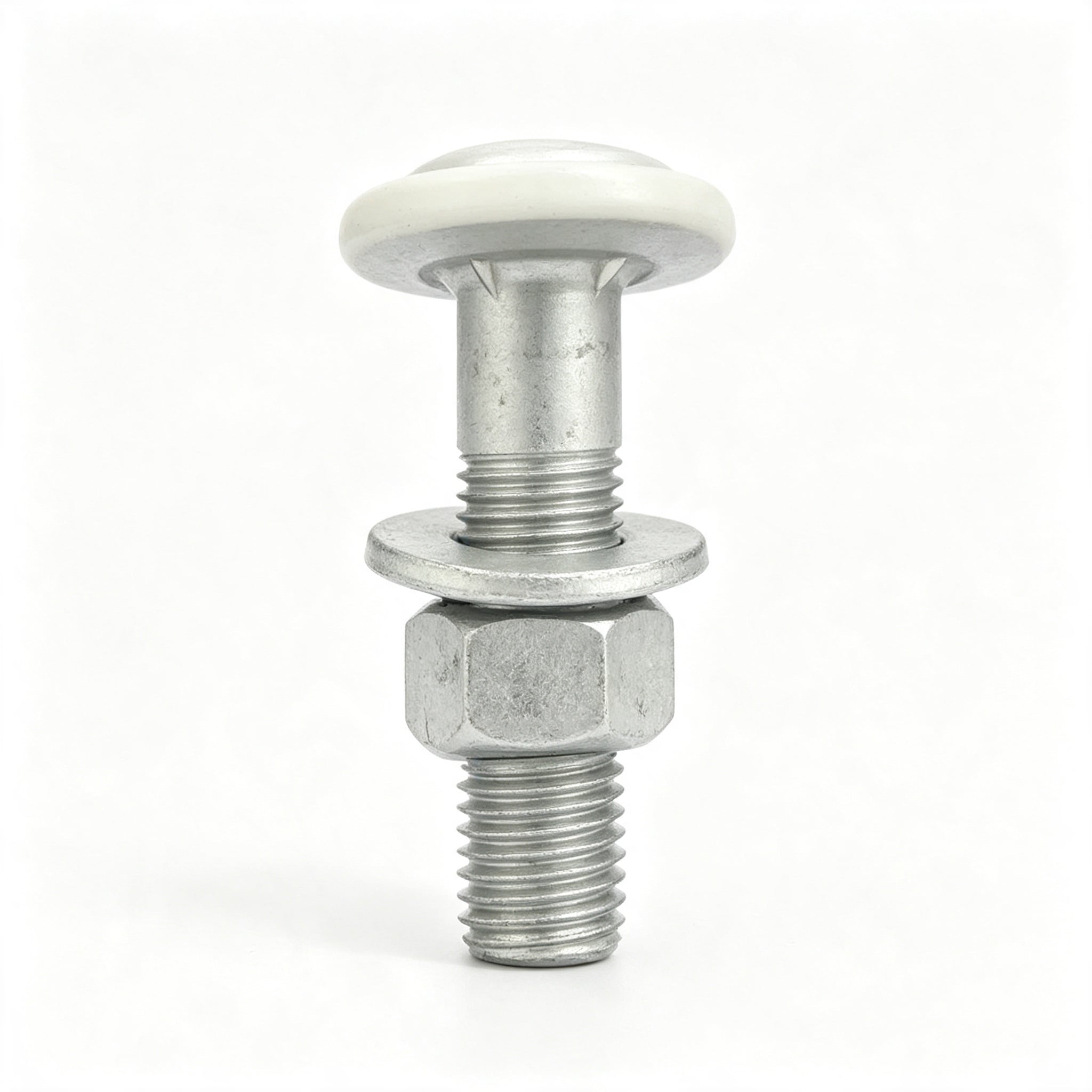
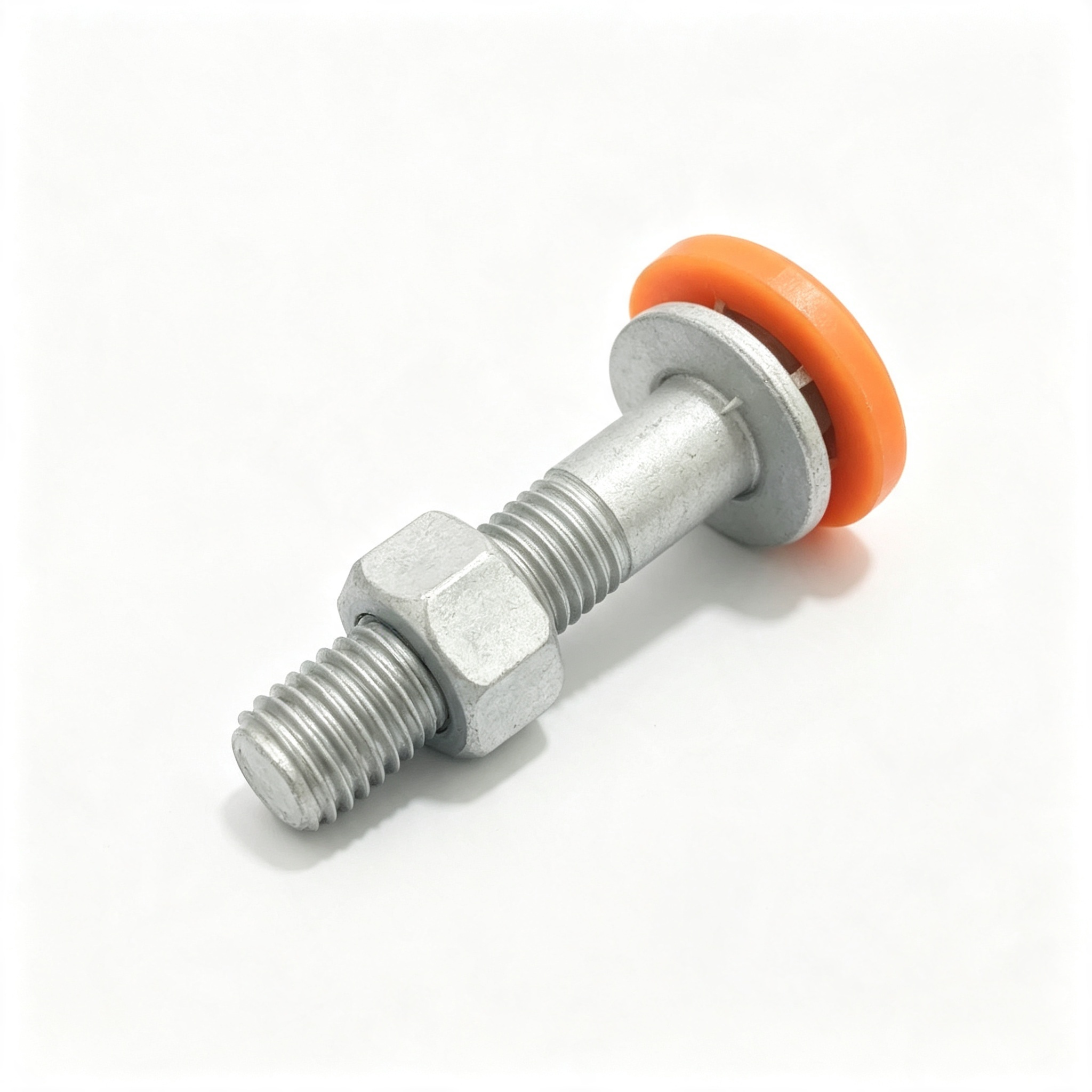
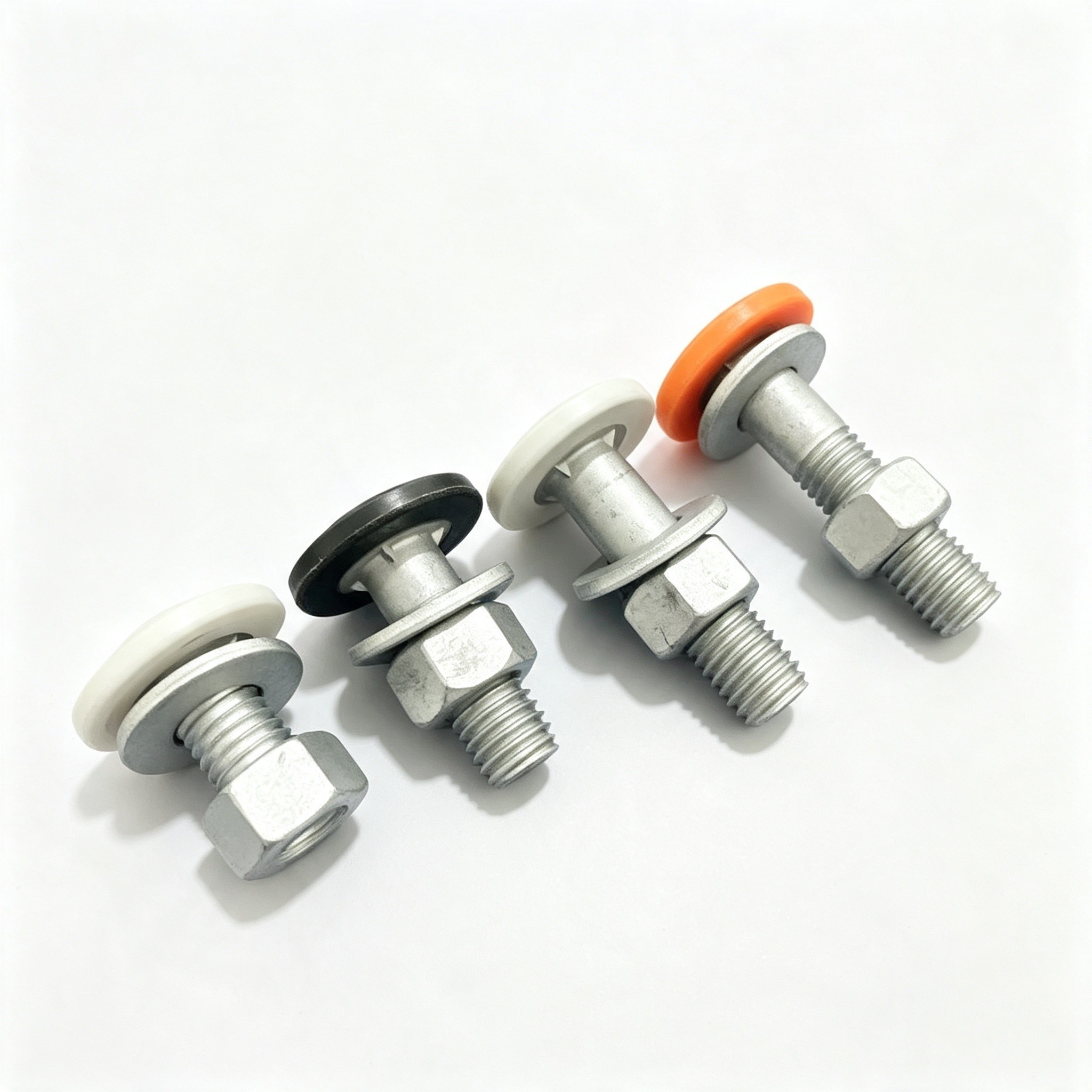
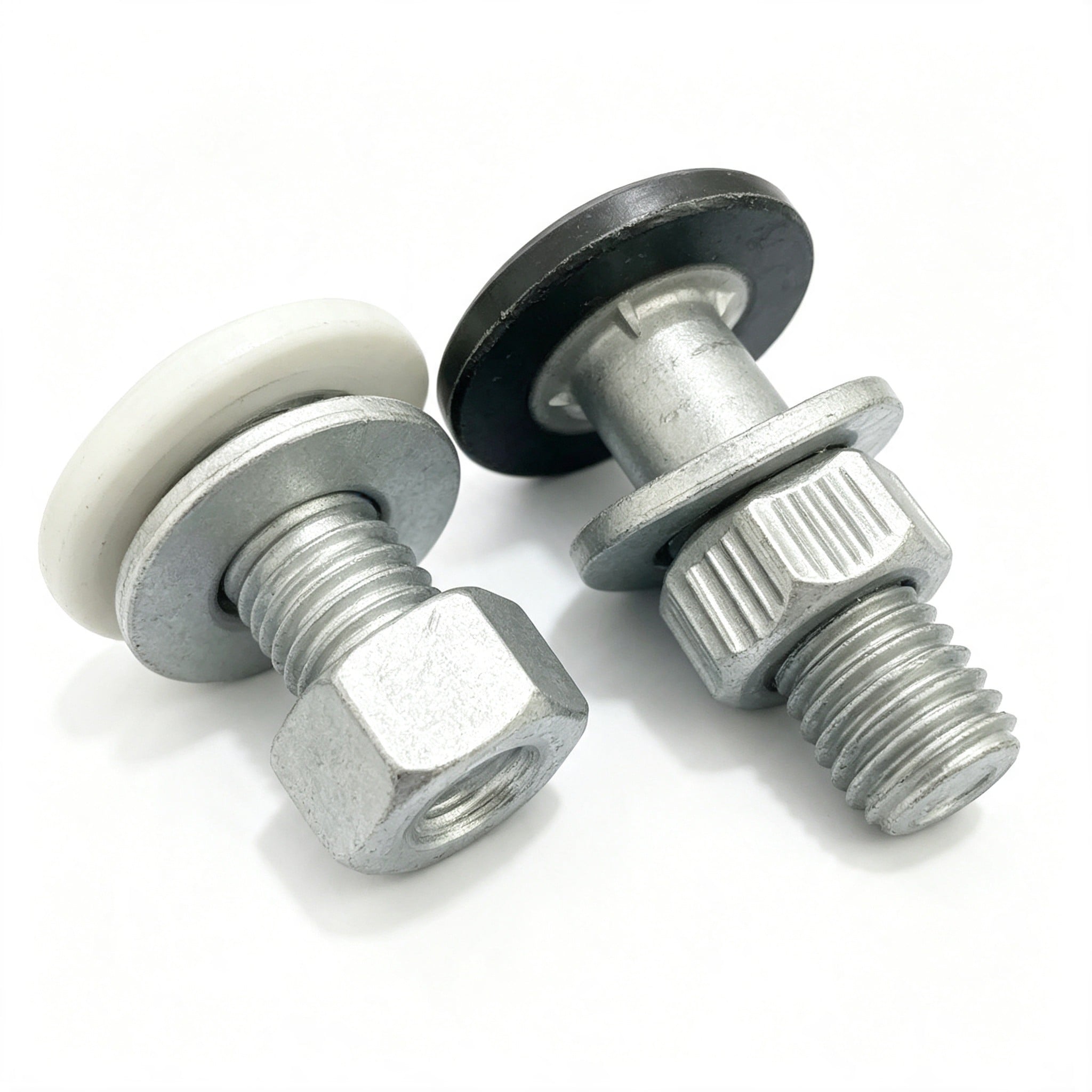
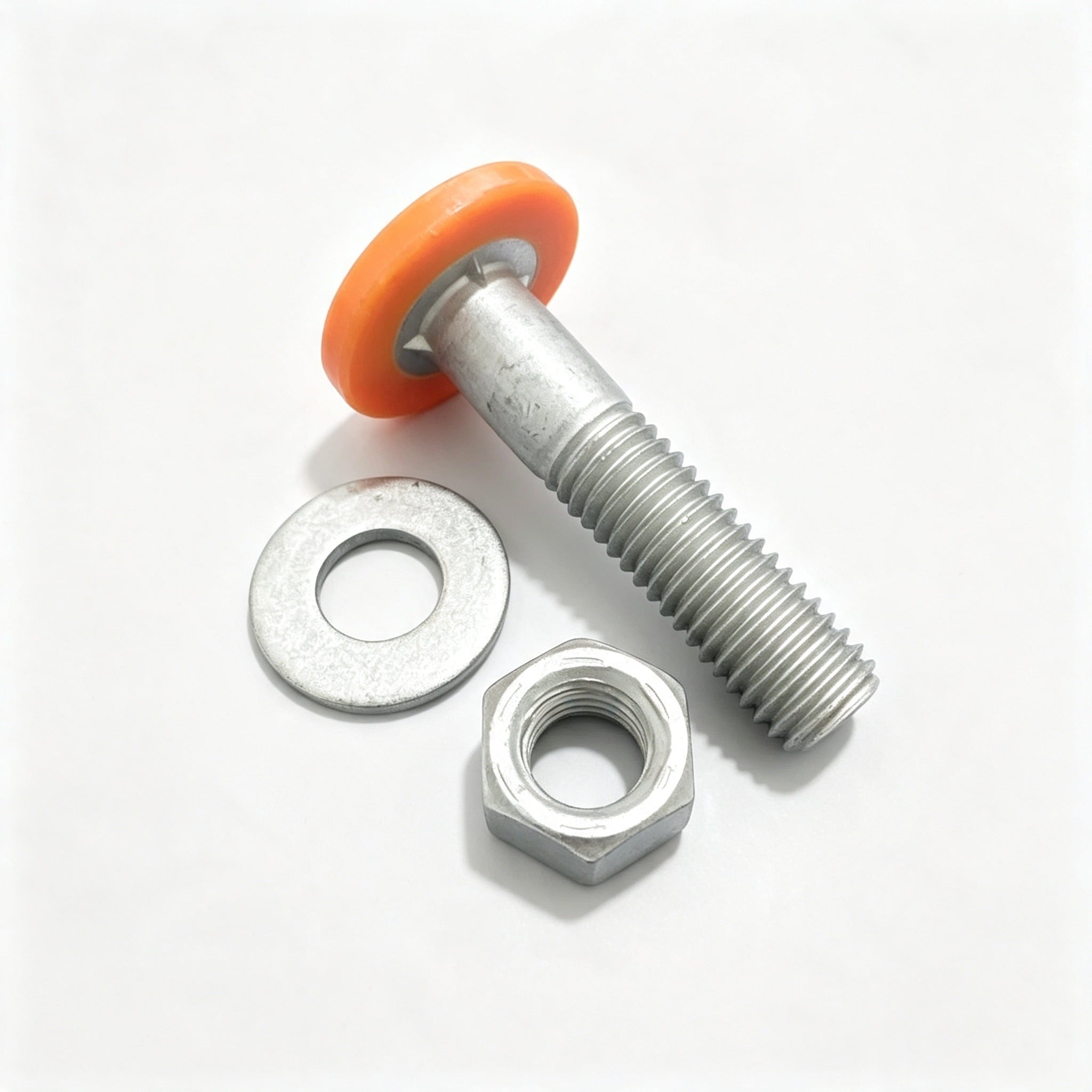
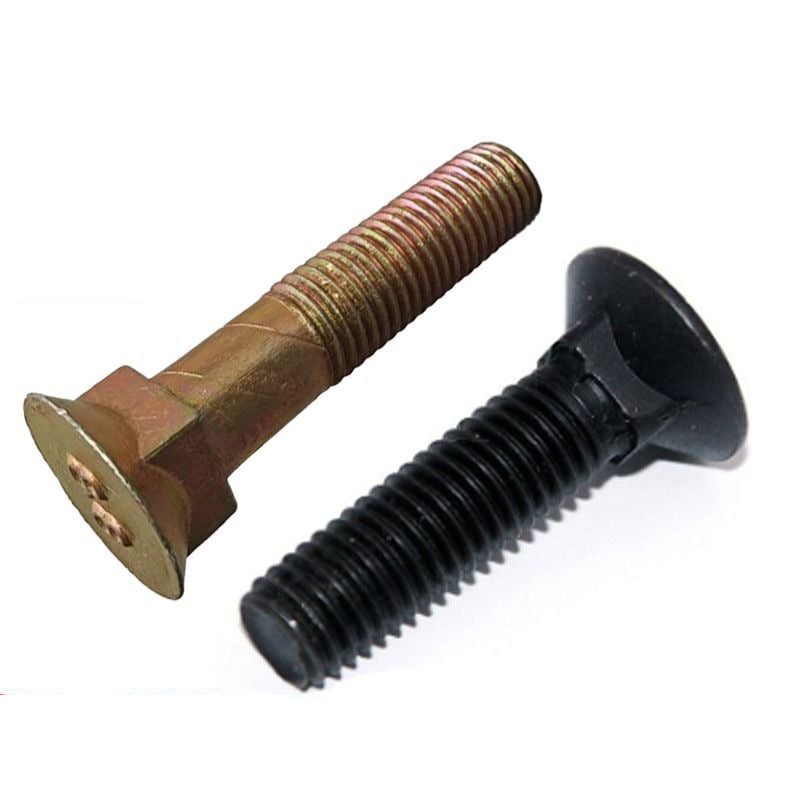
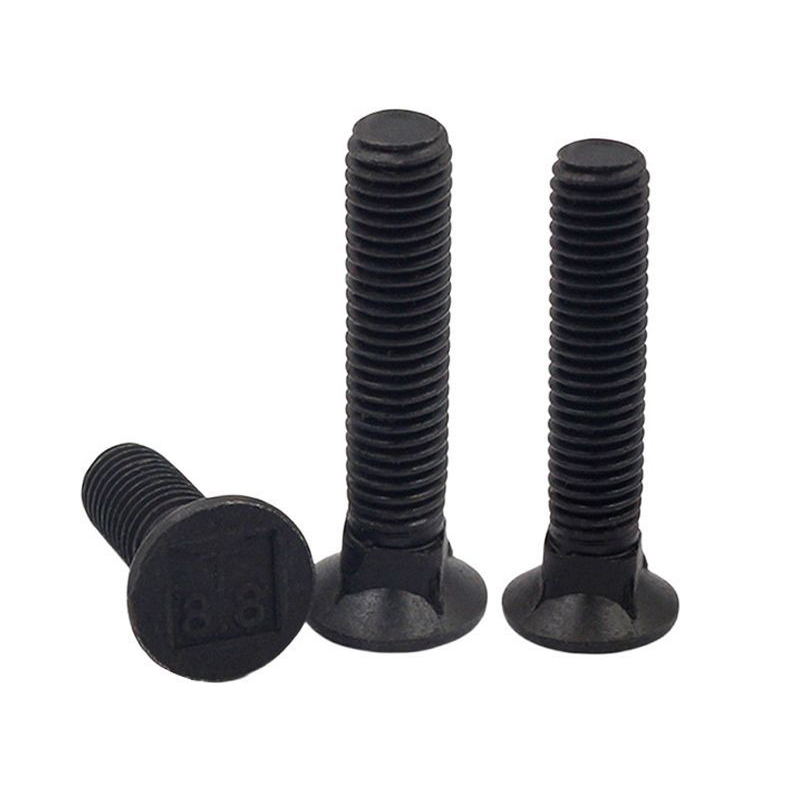
Silo Bolt, also known as a tank bolt or enamel bolt, is a specialized fastener designed for the assembly of enamel assembled tanks and bolted steel silos. It is primarily used for securing steel panels in grain silos, wastewater treatment tanks, biogas fermentation tanks, and power engineering storage tanks. The bolt head is positioned inside the tank, with the nut and washer secured externally, achieving airtightness and corrosion protection through companion sealants
Feature |
Description |
Low Crown Round Head |
Arched low-profile head, minimally protrudes into the tank interior, does not obstruct downward flow of silage, sludge, or stored materials. |
Head Sealing Design |
Equipped with sealing washer or sealant application zone, fits tightly against tank inner wall to prevent liquid/gas leakage. |
Plastic Cap (Optional) |
Some models feature plastic protective caps on the head, resisting UV degradation and corrosive media, extending service life. |
Anti-Rotation Design |
Some models have ribbed necks or square shoulders that embed into the steel plate holes, preventing bolt rotation when tightening nuts. |
High Corrosion Resistance |
Typically made of medium carbon steel (1035) with hot-dip galvanizing, or stainless steel; salt spray test can reach 1000+ hours |
Installation Method
Silo bolt installation follows a standardized procedure:
Apply Sealant: Apply tank-grade mastic (e.g., Sikaflex TS+) to the hole on the inner side of the steel plate to form a sealing cushion.
Insert Bolt: Insert the bolt from inside the tank outward, pressing the head firmly into the sealant.
Install Washer & Nut: From outside, slide the washer over the bolt, smearing excess mastic under the washer; thread the nut on and pre-tighten approximately half a turn.
Torque Tightening in Sequence: Use a torque wrench to tighten to the recommended torque (typically 65Nm); at corner joints or overlapping angles, reduce torque to approximately 32Nm. Follow a specific tightening sequence to ensure even joint loading and avoid stress damage to the panel coating.
Key Requirements:
The bolt shank should bear shear forces, not the threaded portion
Tighten in a sequence from center outward or according to specified order
 EN