EN

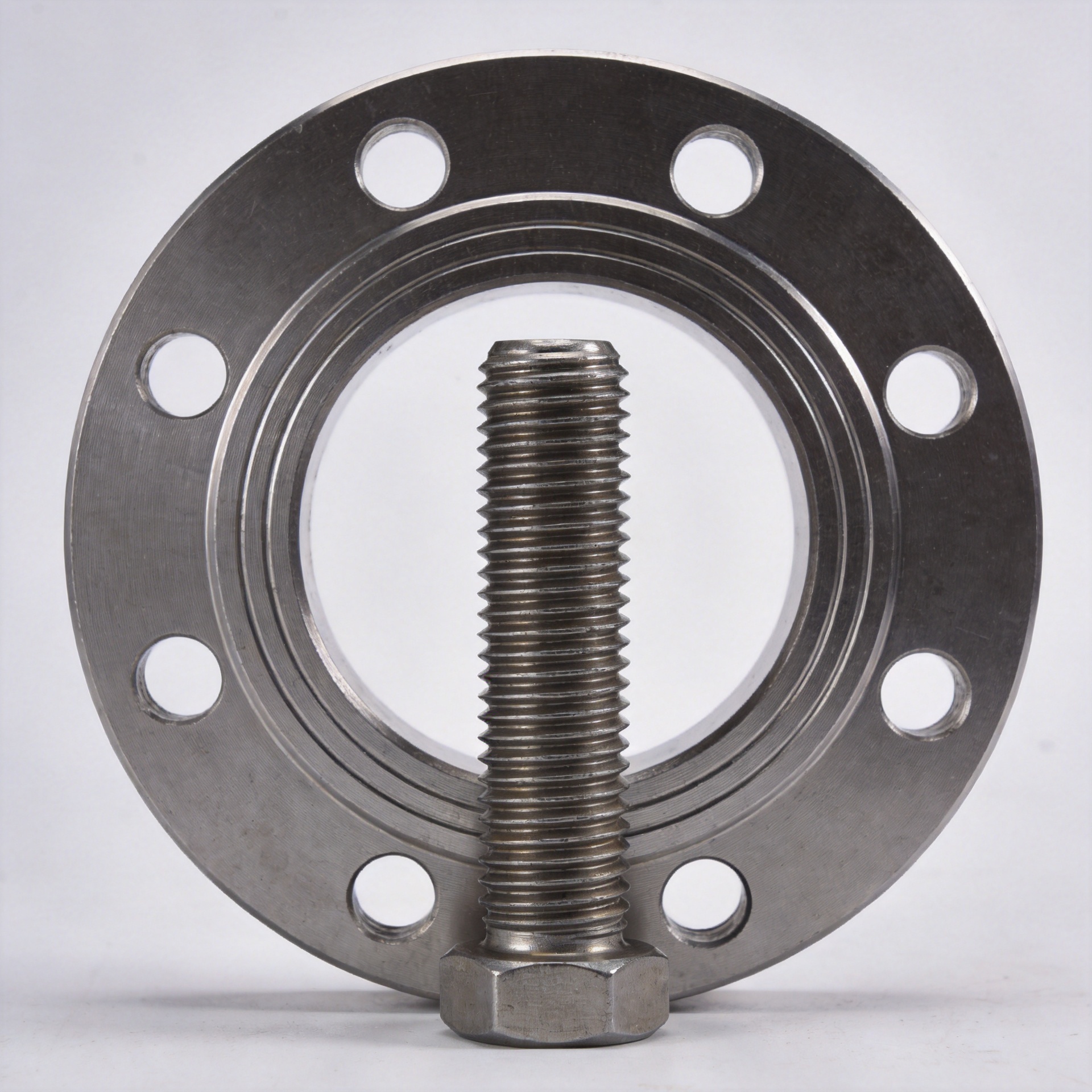
Understanding Stud Bolt Grade Selection for Heat Resistant Service
When a flanged joint runs hot, selecting Studs is not a matter of choosing the highest room-temperature strength. The joint must retain clamp load through thermal expansion, elevated-temperature strength changes, pressure loading, and the assembly practices used during installation. For buyers and engineers sourcing industrial fasteners, a practical selection starts with the service envelope and ends with documented material, dimensions, and traceability.
A stud bolt is commonly used where the joint may be assembled and serviced repeatedly, such as a pipe flange, valve, pressure vessel cover, or heat-exchanger connection. The correct grade is part of a system: flange material, nut grade, gasket, bolt length, tightening method, and operating temperature all influence the result.
Start With the Actual Service Conditions
Before comparing grades, write down the operating case rather than relying on a nominal design temperature. Record normal and maximum metal temperature, pressure, fluid chemistry, external atmosphere, upset cycles, flange class, joint geometry, and required design code. A heated joint can see a metal temperature different from the process-fluid temperature, particularly near insulation gaps, furnace walls, steam tracing, or a cyclic startup zone.
This distinction matters because Studs and surrounding components do not expand at the same rate. As temperature rises, preload can change; repeated heat-up and cool-down cycles can further affect gasket stress and relaxation behavior. The grade decision therefore needs a temperature-dependent design check, not a room-temperature tensile-strength comparison.
Use ASTM A193 as a Material-Grade Starting Point
For pressure-retaining equipment, ASTM A193 is widely used as the starting specification for alloy-steel and stainless-steel bolting intended for high-temperature, high-pressure, or special-purpose service. It identifies material grades and heat-treatment requirements, but the final selection still has to meet the project specification and the governing joint-design rules.
Common discussions often compare B7, B16, B8, and B8M grades. Each has a different material basis and service rationale. The table below is a screening aid, not a substitute for the approved data sheet or a code calculation.
| Grade family | Typical selection reason | Questions to verify before release |
|---|---|---|
| A193 B7 | Alloy-steel bolting often considered for general high-pressure service at moderate elevated temperatures. | Temperature limits, sour-service restrictions where applicable, nut pairing, coating, and project requirements. |
| A193 B16 | Chromium-molybdenum-vanadium alloy steel frequently specified for more demanding elevated-temperature duties. | Applicable temperature range, actual design stress, tempering requirement, and compatibility with the flange system. |
| A193 B8 / B8M | Austenitic stainless options where corrosion resistance may drive the choice; B8M is associated with 316-type chemistry. | High-temperature strength, chloride exposure, galling control, nut class, and design-code allowables. |
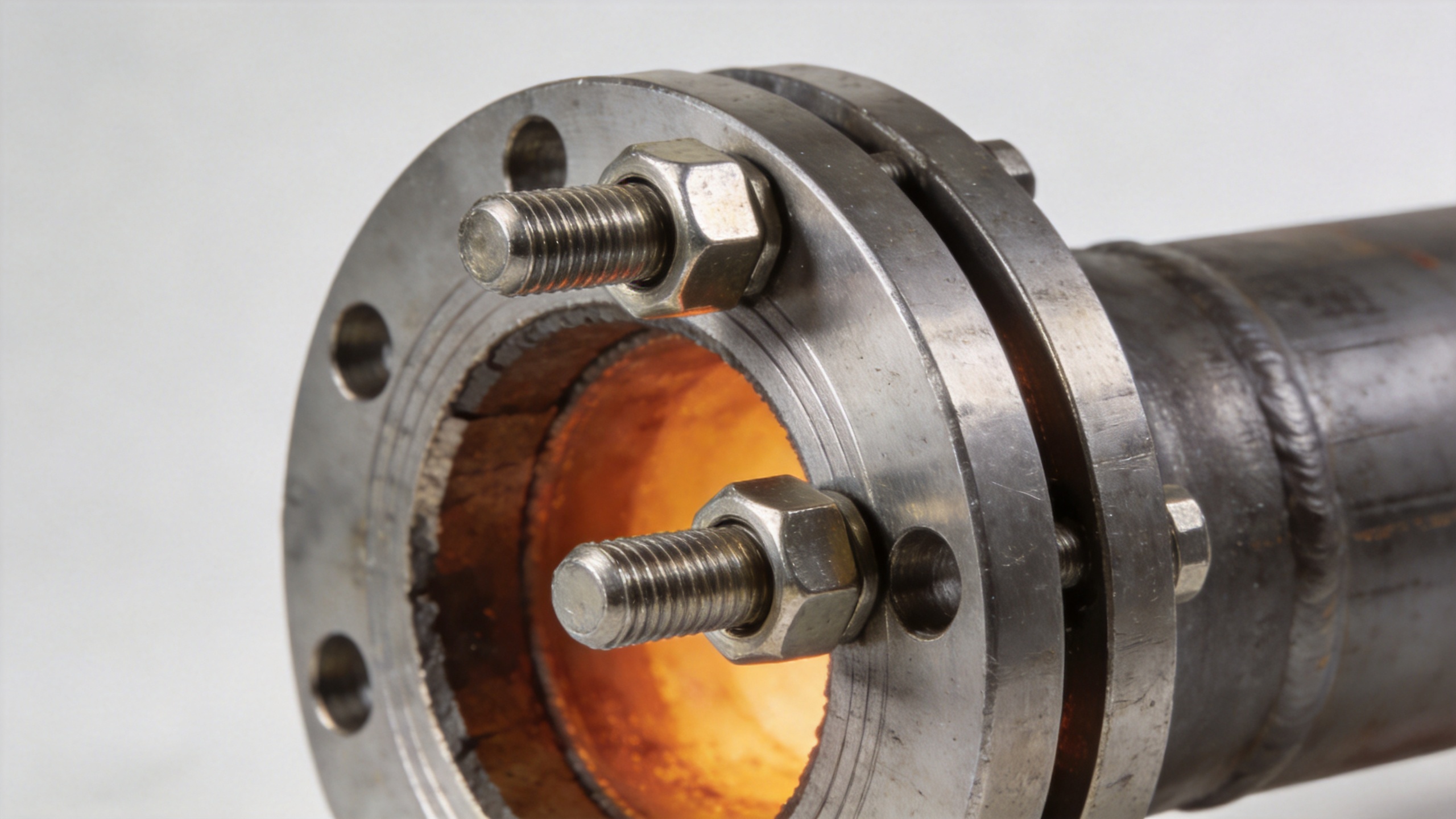
A useful rule is to avoid treating the grade name as a temperature rating. Technical references commonly describe B16 Studs for elevated-temperature applications, including duty in the approximate 751–1100°F range, but that context does not authorize a universal limit. Diameter, heat treatment, design stress, environment, flange rating, and customer specification can change the permitted selection.
Check the Joint, Not Just the Bolt
Pressure-temperature ratings decline as temperature increases for many flange material groups. That means a bolt grade with suitable elevated-temperature properties does not automatically make the assembled joint suitable for its intended pressure. Review the flange standard and material group at the maximum metal temperature, then confirm the selected stud bolt, nuts, gasket, and tightening procedure are consistent with that rating.
For a procurement review, ask the engineering team for the following before issuing a purchase order:
- Design and maximum operating temperature, including excursions and cycle frequency.
- Flange standard, class, material group, nominal size, and facing.
- Required ASTM grade, nut grade, coating or surface condition, and any hardness restrictions.
- Thread form, diameter, overall length, required thread lengths, and whether full threading is required.
- Controlled tightening method, target preload, lubrication assumptions, and verification requirements.
- Material certification, heat number traceability, and any supplementary testing specified by the project.
Match the Form of the Fastener to the Assembly
The words used in a request can describe different parts. A threaded stud may refer to a fully threaded rod-like fastener, while a double ended stud typically has threads at both ends with an unthreaded body section between them. In a flange joint, the specified geometry affects grip length, thread engagement, nut position, and how the assembly distributes load. Do not substitute one form for another solely because the nominal diameter matches.
A welding stud serves a different installation method and should not be assumed to replace pressure-joint bolting. Welding processes, base-metal compatibility, and the function of the attachment must be reviewed independently. For heat-resistant service, a drawing and bill of materials should state the fastener form explicitly rather than relying on an informal description.
Evaluate Corrosion, Oxidation, and Installation Risks Together
Heat is rarely the only condition. Process media can introduce corrosion concerns, while an external atmosphere can create oxidation or atmospheric corrosion. Stainless Studs may be considered when corrosion resistance is important, but stainless grades also require attention to elevated-temperature allowable stress and galling during assembly. Alloy-steel grades may need a specified coating or controlled storage and handling to manage surface condition before installation.
Installation can be the hidden cause of a joint problem. Mixed nuts, insufficient engagement, inconsistent lubricant, damaged threads, or torque-only tightening without accounting for friction can lead to inconsistent preload. Confirm that the nut grade is compatible with the specified bolt grade and that the required test certificates identify both components. A material certificate can verify what was supplied; it does not replace a correct joint-design or tightening calculation.
A Practical Grade-Selection Workflow
- Define the load case. Capture pressure, temperature, cycles, environment, and the governing standard.
- Verify the flange system. Check pressure-temperature ratings and the approved joint design at the maximum metal temperature.
- Screen grade families. Compare ASTM A193 options against the project specification, corrosion mechanism, and elevated-temperature design requirements.
- Specify the complete assembly. List the stud bolt grade, nuts, dimensions, thread form, coating, testing, and traceability requirements.
- Control installation. Use the documented tightening procedure and retain inspection records for critical joints.
How to Review a Stud-Bolt Submittal
Use the manufacturer’s submittal as a controlled comparison against the purchase specification. For Studs, the submittal should identify the ASTM grade, heat treatment, size, thread form, length, nut grade, and traceability route. The same record should make clear whether the requested part is a fully threaded stud, a double ended stud, or another configuration. A drawing callout that simply says “bolt” can leave important engagement and body-length details unresolved.
Check each stud bolt line item against the bill of materials, not only against a quotation description. The diameter, pitch, nominal length, and nut pairing for Studs should match the drawing. For a threaded stud, confirm the required threaded length and whether full threading is intentional. For a double ended stud, confirm the unthreaded body length and the specified thread lengths at both ends. A welding stud should remain on a separate review path because its installation and function differ from a pressure-joint stud bolt.
Finally, link the hardware record to the heated-service review. The certificate for the Studs should show the required material designation and heat identification. The review package for every stud bolt should also state the matching nuts and any coating restriction. When the drawing requires a threaded stud or double ended stud, preserve that wording in inspection records so receiving personnel do not substitute an alternative form. This simple documentation discipline supports consistent assembly of Studs during shutdown work and later maintenance.
Questions to Send With an RFQ for Heat-Resistant Studs
A clear RFQ helps a fastener supplier quote the right configuration and identify gaps early. Include the ASTM grade, diameter and length, thread standard, nut requirements, quantity, required certificates, drawing reference, destination, and requested lead time. For critical hot-service work, also state the design temperature, application, flange or equipment standard, and any customer-approved manufacturer list or supplementary test requirement.
Qingdao Jeekuu Hardware Products Co., Ltd. supports custom fastener sourcing across bolt, nut, screw, washer, and threaded-bar categories for industrial applications. Providing the engineering details above allows the supplier to align the requested Studs with the documented specification instead of making assumptions from a short part description.
Final Takeaway
Selecting Studs for heat-resistant service is a joint-design decision. Begin with actual metal temperature and pressure, use the applicable ASTM grade and project specification, check the flange pressure-temperature rating, and define the full nut-and-bolt assembly. When the service is cyclic, corrosive, or close to a material limit, obtain the responsible engineer’s approval before ordering. This process makes the choice of a threaded stud or double ended stud more traceable and more appropriate for the application.