EN

Why Are High Strength Bolts Used in Critical Applications?
In a critical joint, bolts are not small commodity parts. They help hold a load path together when vibration, cyclic loading, pressure, temperature change, or a safety consequence makes joint movement unacceptable. A high strength bolt is used when the connection needs more tensile capacity and, just as importantly, the ability to develop and retain the clamp force specified for the whole assembly.
From a fastener-selection engineer’s viewpoint, the useful question is not simply “Which bolts are strongest?” It is “What must this joint carry, how will it be installed, and how will its performance be checked?” A high strength bolt can be an appropriate part of that answer, but its material, grade, mating nut, washer, thread engagement, surface finish, and installation procedure must work together.
High strength bolts give a joint more usable capacity
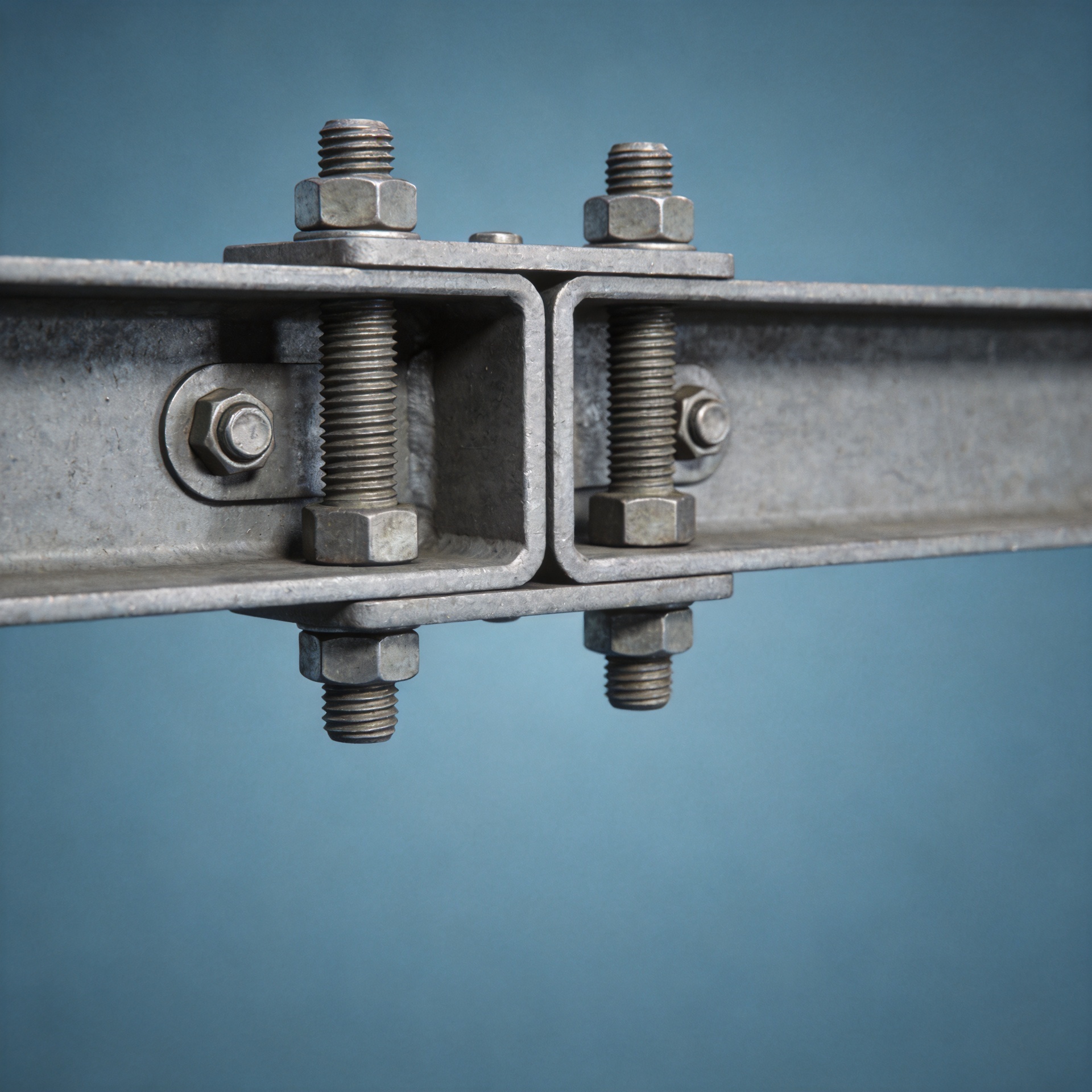
A bolt loaded in tension stretches slightly as it is tightened. That elastic stretch creates clamping force between the joined parts. In many demanding connections, that clamp force is what keeps the members in contact and reduces relative movement. High strength bolts are designed to carry greater tensile stress than lower-strength alternatives, so an engineered assembly can achieve the required preload without selecting an impractically large fastener.
This matters in steel structures, heavy equipment, pipeline flanges, industrial machinery, and other applications where a connection may see repeated load changes. If the joint slips, opens, or loses clamp force, load can shift into the shank, threads, surrounding material, or adjacent fasteners in ways the design did not intend. The role of a high strength bolt is therefore not just to resist a single pull; it is to support stable joint behavior under the defined service conditions.
Strength class alone does not describe the entire connection. A larger diameter, a different grip length, a matched nut, or a revised joint design may be needed as well. That distinction is important: a critical application bolt should be selected from the drawing, load case, and installation requirement, rather than by choosing the highest grade available.
Preload can be as important as nominal strength
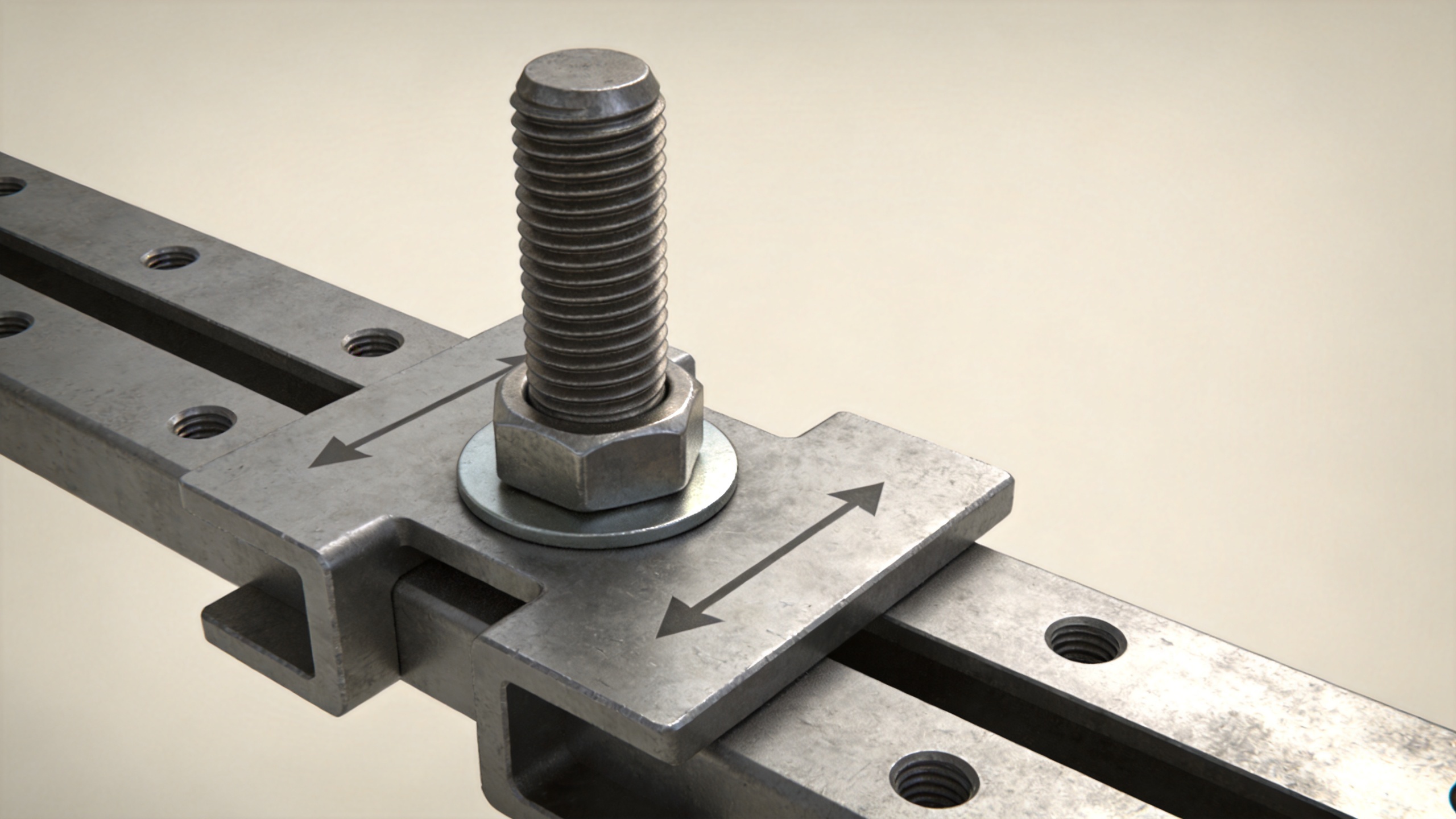
For a friction-type or slip-critical connection, designers may rely on clamp force to keep joined plates from moving. Structural bolting guidance recognizes conditions that call for pretensioned installation and provides approved methods for establishing pretension. In practice, this means that a torque value copied from another project is not enough. Lubrication, coating, washer condition, tool calibration, and the actual bolt-and-nut combination can all change the relationship between applied torque and resulting tension.
That is why a high strength assembly normally needs a documented installation method and a verification plan. Depending on the applicable specification, the process may include pre-installation testing, a calibrated procedure, direct tension indication, turn-of-nut control, or another accepted method. The bolt performance target is a repeatable clamp force in the finished joint, not a wrench setting viewed in isolation.
In other words, high strength bolts provide the material headroom for a demanding connection, while correct installation converts that potential into joint performance. Under-tightening can leave the joint vulnerable to movement. Excessive tightening can damage threads, distort components, or push the assembly beyond its intended condition.
Critical service increases the consequences of variation
High strength bolts are often specified where a failure would cause costly downtime, difficult maintenance, leakage, alignment loss, or a safety hazard. The exact consequence varies by industry, but the selection logic is similar: identify the working loads, the direction and frequency of those loads, the environment, and the consequences of a connection loosening or breaking.
- Cyclic or vibrating equipment: confirm joint stiffness, preload retention, and the locking approach; a stronger bolt does not automatically address vibration-related loosening.
- Structural connections: confirm the governing design and installation specification, including whether the joint is bearing-type, pretensioned, or slip-critical.
- Pressure or process equipment: consider temperature, sealing requirements, compatible materials, and traceable documentation for the specified assembly.
- Outdoor or corrosive locations: select material and surface protection for the real exposure, not only the initial strength requirement.
For example, Qingdao Jeekuu’s confirmed supply context covers strength grades from 4.8 through 12.9, along with carbon steel, alloy steel, and stainless-steel options. That range supports engineering discussions, but the final selection still belongs to the project specification and its responsible engineer. An industrial bolt intended for a dry indoor machine is not automatically suitable for a coastal structure or chemical-service environment.
Material and coating choices need the same scrutiny
Corrosion can reduce section thickness and damage threads over time. For this reason, engineers often evaluate base material, coating system, exposure conditions, and compatibility with joined materials together. A coating that makes sense for one environment may not be appropriate for another, particularly where moisture, salts, chemicals, or galvanic effects are present.
High-strength steels also require disciplined process control. Hydrogen embrittlement is a known brittle-failure concern for high-strength fasteners, including commonly discussed property classes such as 10.9 and 12.9. The risk is tied to the material condition and manufacturing or finishing processes; it should be addressed through the applicable specification, qualified processing, and required documentation. It is not a reason to reject all high strength bolts, but it is a reason to ask informed questions about plating, baking requirements, inspection, and lot traceability.
Traceability and inspection support reliable bolt performance
A critical application is rarely the place to treat bolts as anonymous stock. Purchase documents should identify the relevant grade, dimensions, thread, material, finish, standard, and any test or certification requirements. Receiving inspection can then compare the supplied parts with that requirement before installation. Where a project calls for material test reports or batch identification, the documents should remain connected to the delivered lot.
Useful supplier capabilities include lot traceability, outgoing specification checks, and the ability to supply material documentation when the project requires it. Qingdao Jeekuu’s merchant profile confirms batch traceability, shipment inspection practices, and material-certificate support for applicable projects. These capabilities help a buyer verify what was supplied; they do not replace the project’s own design review or installation inspection.
A practical selection checklist
- Define the load, joint type, service environment, and consequence of movement or failure.
- Use the governing drawing and standard to determine the required grade, diameter, grip, thread, nut, washer, and finish.
- Confirm whether the connection requires a specified preload and how that preload will be established and inspected.
- Check corrosion exposure, temperature, chemical contact, and high-strength finishing controls.
- Specify traceability, certificates, sampling, and receiving checks appropriate to the application.
- Train installers on the approved procedure and retain inspection records where the project requires them.
Strength is part of a controlled system
High strength bolts are used in critical applications because they provide the tensile capacity and preload potential needed by demanding joints. Their value comes from a controlled system: the right design, matched components, appropriate material and finish, verified installation, and documented quality checks. When those elements align, a high strength bolt supports dependable bolt performance where ordinary selection shortcuts are not enough.