EN

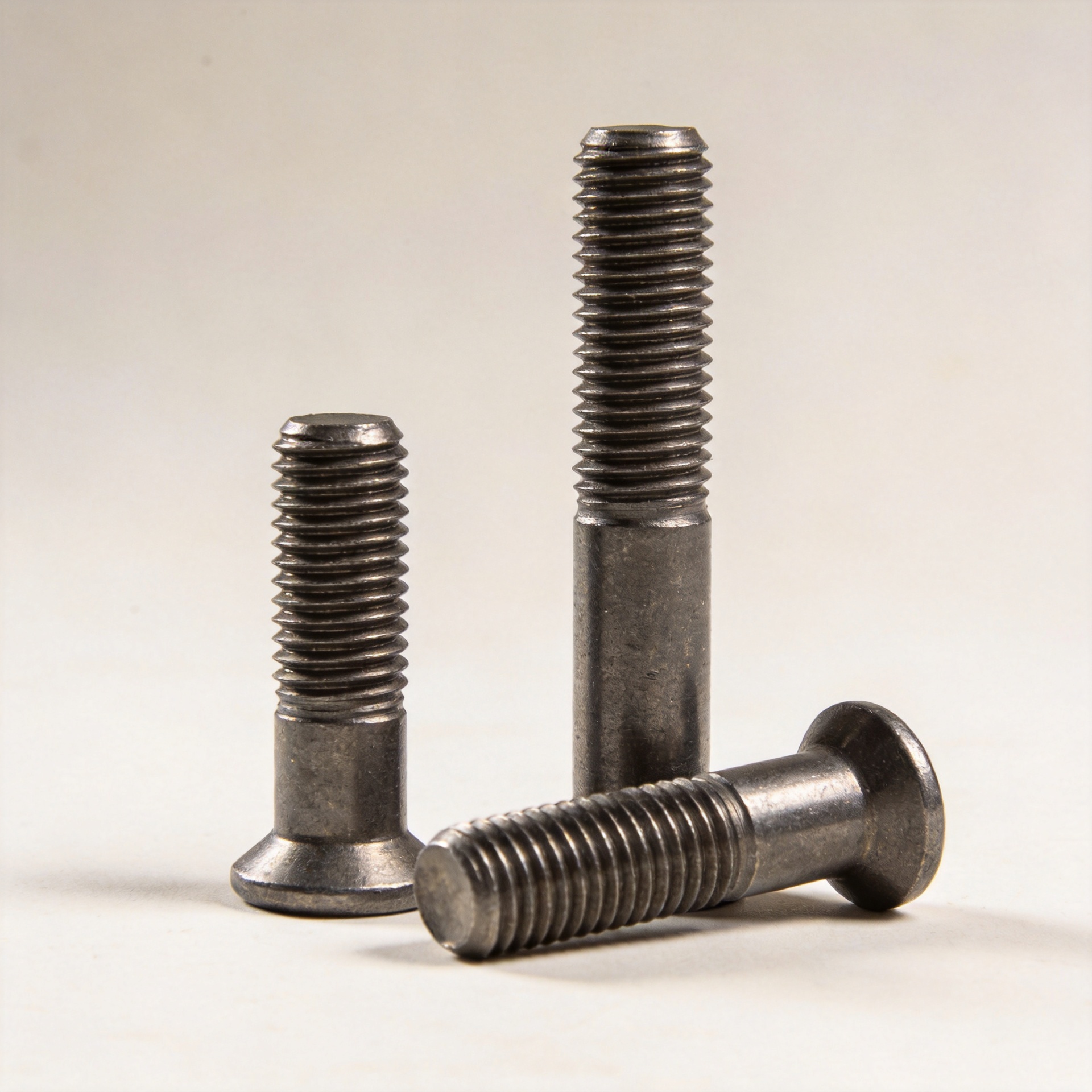
Why Are Threaded Studs Preferred in Certain Industries?
In industrial fastening, studs are not a shortcut for every joint. They are a deliberate choice when an assembly needs repeatable clamping, service access, or a fastener that can stay in one component while another part is removed. This distinction matters because the search term “studs” can mean many things outside manufacturing; here it means threaded fastening components used in equipment, structural work, piping, and machinery.
As a fastener selection engineer, I start with the joint rather than the catalog. I look at load direction, vibration, access for tools, material pairing, and the number of times the joint will be opened. That sequence often explains why a threaded stud is chosen over a conventional bolt, but it also shows when another fastener is the better fit.
What makes a threaded stud different from a bolt?
A threaded stud is typically a rod-like fastener with threads on both ends or along its length. One end may be installed in a tapped component, while a nut clamps the mating part at the other end. Fully threaded studs can work with nuts on both sides. The arrangement separates the installed end from the end that is tightened during assembly.
That separation is the central reason many industrial teams specify studs. With a bolt, turning the head can rotate the shank relative to the base material. With installed studs, the base-side engagement can remain undisturbed while the exposed nut is removed for servicing. The benefit depends on a sound thread design and correct installation torque; it is not an automatic advantage in every application.
Why industries choose studs for serviceable joints
1. They make alignment easier during assembly
Large covers, flanges, housings, and machine guards can be awkward to hold in position while a worker starts several bolts. Fixed studs act as locating points: the mating component is guided over them before nuts are fitted. This is especially useful where parts are heavy, access is limited, or a seal needs careful positioning. In a stud application involving a gasketed joint, that guidance can help the assembler bring parts together without scraping or shifting the gasket.
The practical gain is process control, not a claim that studs make every assembly faster. A low-volume joint with easy rear access may not need this feature. In contrast, repeated assembly of the same large joint can justify the extra planning.
2. They reduce wear in the parent component during maintenance
When a bolt is repeatedly inserted and removed from a tapped housing, the internal thread experiences recurring contact. A correctly installed threaded stud can remain in that housing while only its nut is cycled. For an industrial stud used in equipment that receives routine inspection, this can make maintenance more predictable and reduce the chance of disturbing the base-side thread during normal disassembly.
There is an important boundary. The installed end still needs the right engagement length, material compatibility, and installation method. If the receiving material is soft, corroded, or poorly machined, simply switching to studs does not resolve the underlying joint-design issue.
3. They support controlled clamping across flanges and covers
Many studs are used where two components are clamped with nuts rather than where a fastener passes through a simple clearance hole. In flange and cover assemblies, nuts can be tightened in an organized sequence to distribute clamp load around the joint. A threaded stud is therefore common where equipment designers want an accessible tightening point on the outside of the assembly.
The right stud preference comes from the complete system: nut style, washer use, surface condition, lubrication policy, gasket behavior, and tightening procedure all influence the result. A stronger grade alone is not a substitute for controlling those variables.
4. They offer useful length and configuration flexibility
Fully threaded studs can be specified or cut to suit a designed clamping stack, subject to the applicable product and project requirements. This flexibility helps when insulation, brackets, spacers, or variable-thickness components are part of the assembly. It can also simplify a repair when the required grip length is unusual.
However, field cutting needs care. Damaged thread starts, burrs, and incorrect nut engagement can undermine the value of the studs. For critical work, define the finished length, thread form, end condition, and allowable modification before procurement rather than treating a threaded length as interchangeable with any other fastener.
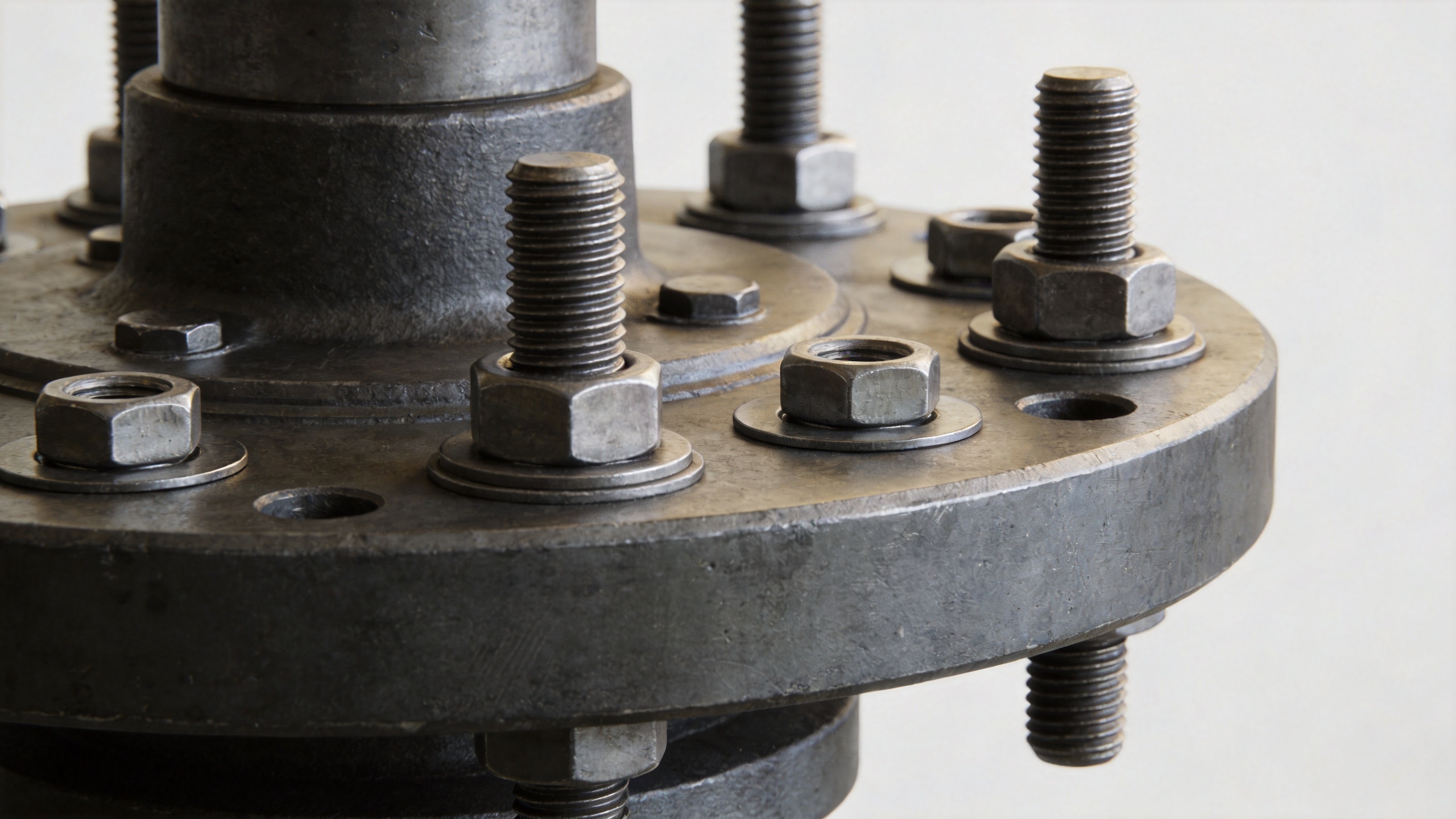
Where is this stud application most common?
Studs are frequently considered in piping and process equipment, pumps, valves, heat-related equipment, steel structures, power-generation assemblies, heavy machinery, and serviceable enclosures. In each case, the reason is usually practical: access, alignment, clamping sequence, maintenance, or a requirement to keep one end fixed in a component.
- Flanged process connections: studs allow nuts to be accessed from the outer faces of a joint and suit orderly tightening procedures.
- Machinery covers and housings: installed studs can guide a cover into place and leave the base-side threads undisturbed during service.
- Steel and fabricated assemblies: a threaded stud configuration may suit brackets, supports, or long clamping stacks where clearance and adjustment matter.
- Corrosive or outdoor environments: an industrial stud must be selected with its material, coating, mating hardware, and maintenance plan considered together.
A common mistake is to use the same studs across all of these environments. Temperature, chemicals, vibration, and galvanic interaction can change the correct material and surface-treatment decision. The intended environment needs to be written into the specification.
How to decide whether studs are the right choice
Use the following questions before committing to studs:
- Will the joint be opened regularly? If yes, keeping a threaded stud in the parent component may make sense.
- Is component alignment difficult? Fixed studs can help position a heavy or gasketed part before tightening begins.
- Can the nut be accessed safely? A stud-and-nut arrangement needs usable tool clearance on the exposed end.
- What load and vibration does the joint see? Select diameter, grade, thread engagement, nut, and tightening process for the actual duty cycle.
- What materials meet at the joint? Check corrosion behavior, galling risk, and compatibility between the industrial stud, nut, washer, and base material.
- Which drawing or standard framework applies? Confirm the designated thread system, dimensions, material requirements, inspection needs, and any project-specific rules.
This checklist keeps stud preference grounded in conditions rather than habit. Many purchasing problems begin when a request says only “studs” without identifying thread designation, length, grade, coating, nut requirements, and application environment.
Specification details that deserve attention
For a reliable stud application, the purchasing specification should identify the thread form and pitch, nominal diameter, overall or usable threaded length, material or strength class, finish, and required mating hardware. If the assembly is exposed to moisture, salt, chemicals, or high temperature, say so clearly. Those conditions guide material and coating selection more effectively than a generic request for stainless or high-strength studs.
Also distinguish among a double-end threaded stud, a fully threaded rod used as a stud, and a purpose-made stud bolt. Their geometry and intended use may differ. Match the component type to the drawing and functional requirement rather than relying on a familiar name.
Why a supplier conversation should begin with the joint
Industrial buyers often compare fasteners by unit price first. Yet the cost of a poor match can appear later as rework, delayed assembly, difficult maintenance, or premature replacement. A useful request for studs gives the supplier the assembly context: materials, drawing requirements, quantity, operating environment, and whether nuts and washers are needed as a set.
Qingdao Jeekuu Hardware Products Co., Ltd. supplies a broad fastener range for industrial and export-oriented projects. For a threaded stud inquiry, sharing those details helps the team discuss an appropriate configuration without assuming that one stud preference fits every service condition.
Conclusion
Industries prefer studs when their joint design benefits from fixed alignment points, accessible nut tightening, repeatable maintenance, or flexible clamping geometry. The value of a threaded stud is tied to the whole fastening system—not just the fastener itself. Define the load, access, service pattern, materials, and environmental exposure first; then choose studs only where those conditions support the design.