EN

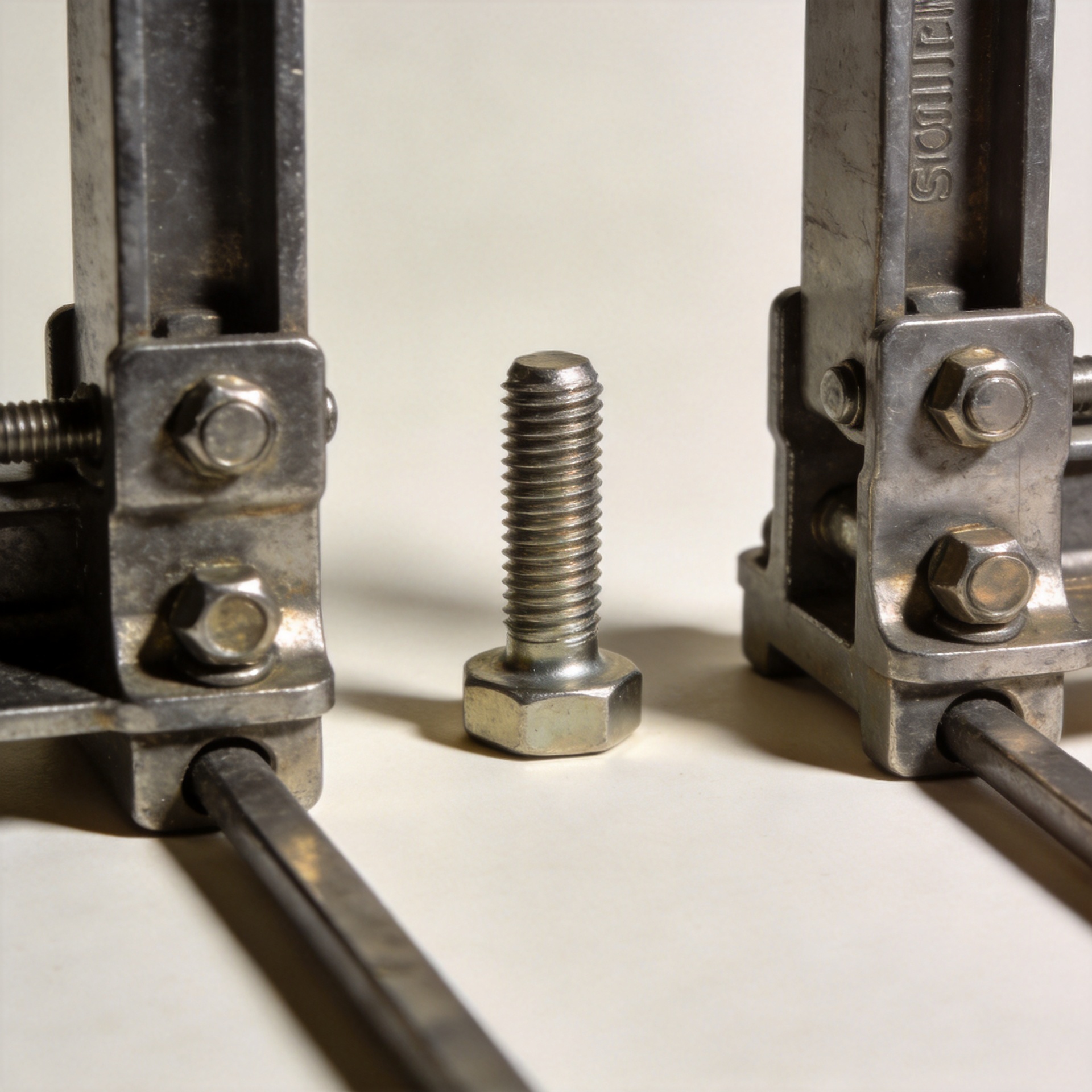
Why Fastener Selection Errors Lead to Costly Field Rework in Plants
Field rework rarely begins with a dramatic component break. More often, a crew arrives to install equipment, opens a mixed box of hardware, and discovers that the specified fastener does not suit the joint, the tool, or the environment. The work pauses while people check drawings, source replacements, reopen access panels, or remove hardware that has already been tightened. For a plant, the direct cost is only one part of the problem. Delayed commissioning, unplanned isolation, overtime, and uncertainty about other installed joints can spread the impact well beyond one misplaced fastener.
From a fastener-selection engineering perspective, the useful question is not “Which part is strongest?” It is “Which fastener keeps this specific joint serviceable through its real load, installation method, and exposure?” A sound answer connects the joint design to purchasing and installation before the crew is in the field.
Why a Small Selection Error Turns Into Plant Rework
A fastener is part of a clamped system rather than an isolated catalogue item. The bolt, screw, nut, washer, mating material, clearance, grip length, thread engagement, surface condition, and tightening method all influence the result. An apparently minor substitution can change how clamp load develops or how the joint reacts after vibration, thermal cycling, or moisture exposure.
That is why field rework often follows a familiar sequence. The selected fastener reaches the work area, installation feels awkward or inconsistent, inspection finds a mismatch, and the joint must be opened again. If the error appears after start-up, the recovery work may require access permits, shutdown coordination, cleaning, inspection, and a revised bill of materials. The purchase price difference between two parts then becomes a poor measure of the actual cost.
Technical selection guidance regards temperature, corrosion, vibration, fatigue, initial preload, thread form, material, coating, locking approach, torque, and joint geometry as connected variables. In plant service, ignoring one of those variables can move the risk downstream to the installer and maintenance team.
Five Selection Errors That Commonly Create Rework
1. Specifying strength without checking the joint and load path
A higher-strength fastener is not automatically the right answer. The joint also needs sufficient bearing area, compatible mating material, appropriate engagement, and a tightening process that develops the intended clamp load. A mechanical fastener selected only by tensile class may be poorly matched to thin sections, slotted holes, soft materials, or a joint that experiences combined shear and tension. Review the load direction, joint stiffness, grip length, and bearing surfaces before choosing the grade.
2. Treating corrosion resistance as a material label
Choosing a stainless fastener can make sense in certain wet or corrosive locations, but the decision still needs the full environment. Consider the mating metals, washdown chemicals, trapped moisture, temperature, coating condition, and whether the joint can dry. A stainless fastener used with an unsuitable mate or surface treatment can create a different service issue. The selection record should state the exposure and the compatible materials, not just the name of the metal.
3. Ignoring thread and engagement details
A threaded fastener must match more than nominal diameter. Pitch, thread class, engagement depth, tapped-hole condition, and accessibility affect whether the joint can be assembled and serviced. Cross-threading, shallow engagement, or a damaged tapped hole may be found only after field labor has begun. When drawings are ambiguous, confirm the mating thread, required engagement, and allowed substitution rules before release.
4. Selecting hardware that the installation method cannot control
The fastener specification should fit the tools and work sequence available at the point of installation. A tightening value is meaningful only when the tool, socket access, lubricant condition, washer arrangement, and operator procedure are understood. If a crew cannot reach the joint cleanly or cannot verify the intended tightening method, the fastener may be installed inconsistently even when the part itself is correct. Include tool access and inspection access in the selection review.
5. Allowing uncontrolled substitutions
Substitution pressure is common when schedules tighten. Yet a custom fastener, alternate finish, changed head style, or altered thread length can affect fit-up and serviceability. A substitution review should compare the proposed fastener with the approved joint requirements, rather than comparing only a few catalogue dimensions. When evidence is incomplete, hold the change for engineering review instead of moving the uncertainty to the field.
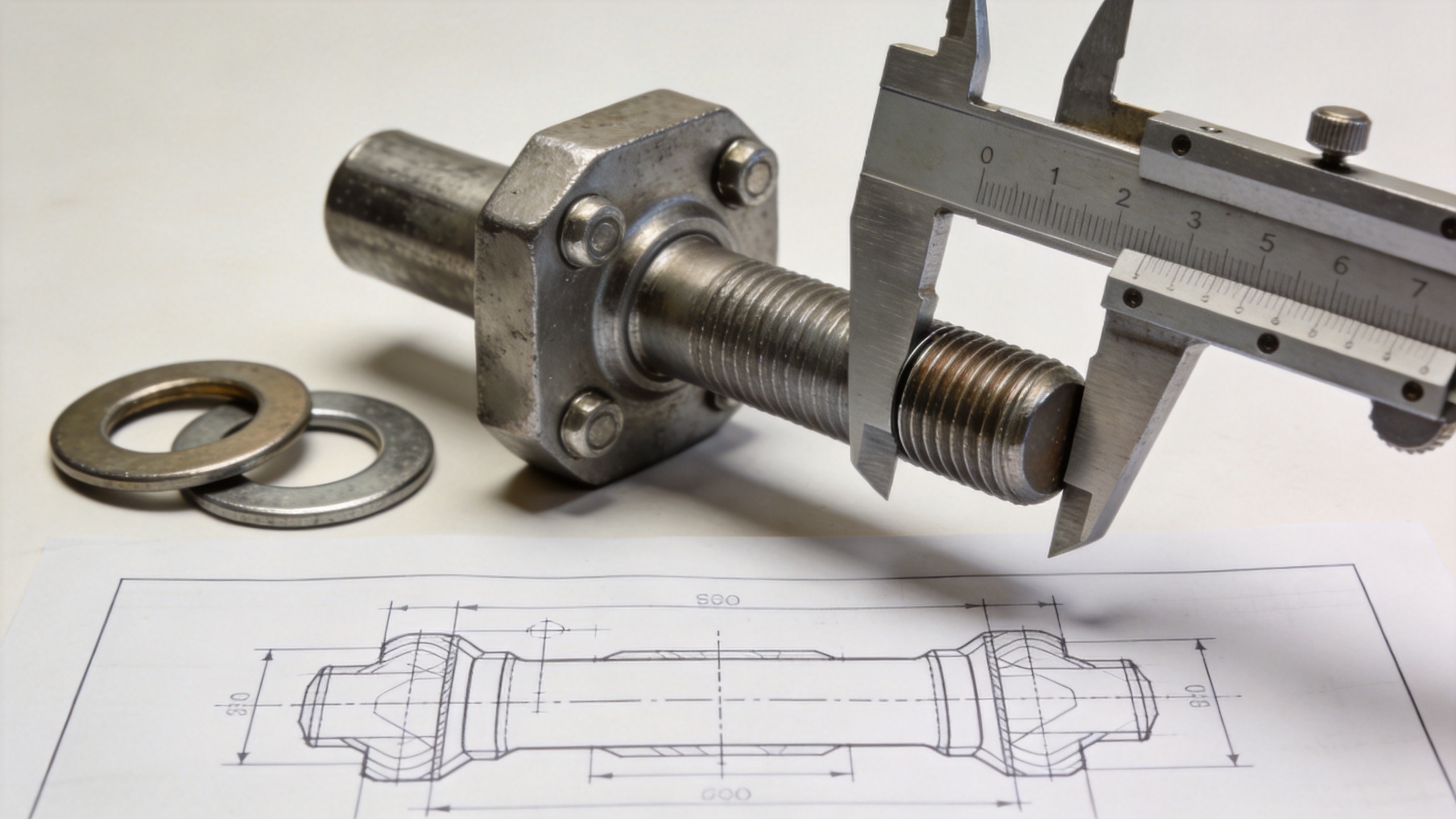
Where the Costs Actually Accumulate
The visible cost is often removal and replacement. The less visible cost comes from disruption: a missed work window, waiting for an approved fastener, reinspection of similar locations, added documentation, and the possibility that production or commissioning needs to change. In some plants, the most expensive part is not the hardware but the access needed to reach it again.
This is why lifecycle thinking matters. A lower unit price can be attractive at purchase, while a correctly documented mechanical fastener with stable dimensions, traceable material information, and a clear inspection route may reduce downstream uncertainty. The aim is not to buy the most expensive option; it is to choose a fastener that matches the conditions the joint will actually see.
A Practical Pre-Release Check for Plant Teams
Before ordering or issuing a fastener for installation, use a short cross-functional check:
- Define the joint. Record the mating materials, thickness stack, hole type, required grip, access limits, and anticipated loads.
- Map the service environment. Identify vibration, thermal movement, washdown, moisture, chemical exposure, outdoor conditions, and inspection intervals.
- Confirm the hardware system. Check the fastener, nut or tapped feature, washer, coating, locking approach, and any lubricant or installation condition as one system.
- Verify installation capability. Confirm the required tool, socket clearance, tightening method, and inspection method at the actual field location.
- Control substitutions. Require documented comparison and approval before replacing a specified threaded fastener or custom fastener.
- Plan receiving and release. Check markings, dimensions, finish condition, and paperwork against the approved specification before parts reach the work front.
Build a Feedback Loop From Rework
When a selection error occurs, the repair should produce more than a replacement order. Capture the original fastener, joint location, work condition, observed mismatch, corrective action, and drawing or purchasing control that allowed the issue through. Over time, those records reveal whether the recurring problem is unclear specifications, a gap in supplier communication, insufficient incoming checks, or an installation constraint that was not visible during design.
The strongest corrective action is often modest: add a grip-length field, show the washer stack in the drawing, define a material pairing, or require a sample fit check for a custom fastener. These changes help the next crew start with a joint that is ready to assemble rather than one that needs to be rediscovered in the field.
Make Fastener Selection a Work-Planning Decision
Fastener selection belongs in work planning because it shapes installability, maintenance access, and recovery effort. Treat every fastener as part of the operating system around the joint: the materials, loads, environment, tools, verification method, and replacement path. That approach gives plant teams a clearer basis for approving a threaded fastener, a stainless fastener, a mechanical fastener, or a custom fastener before it becomes an expensive field question.