EN

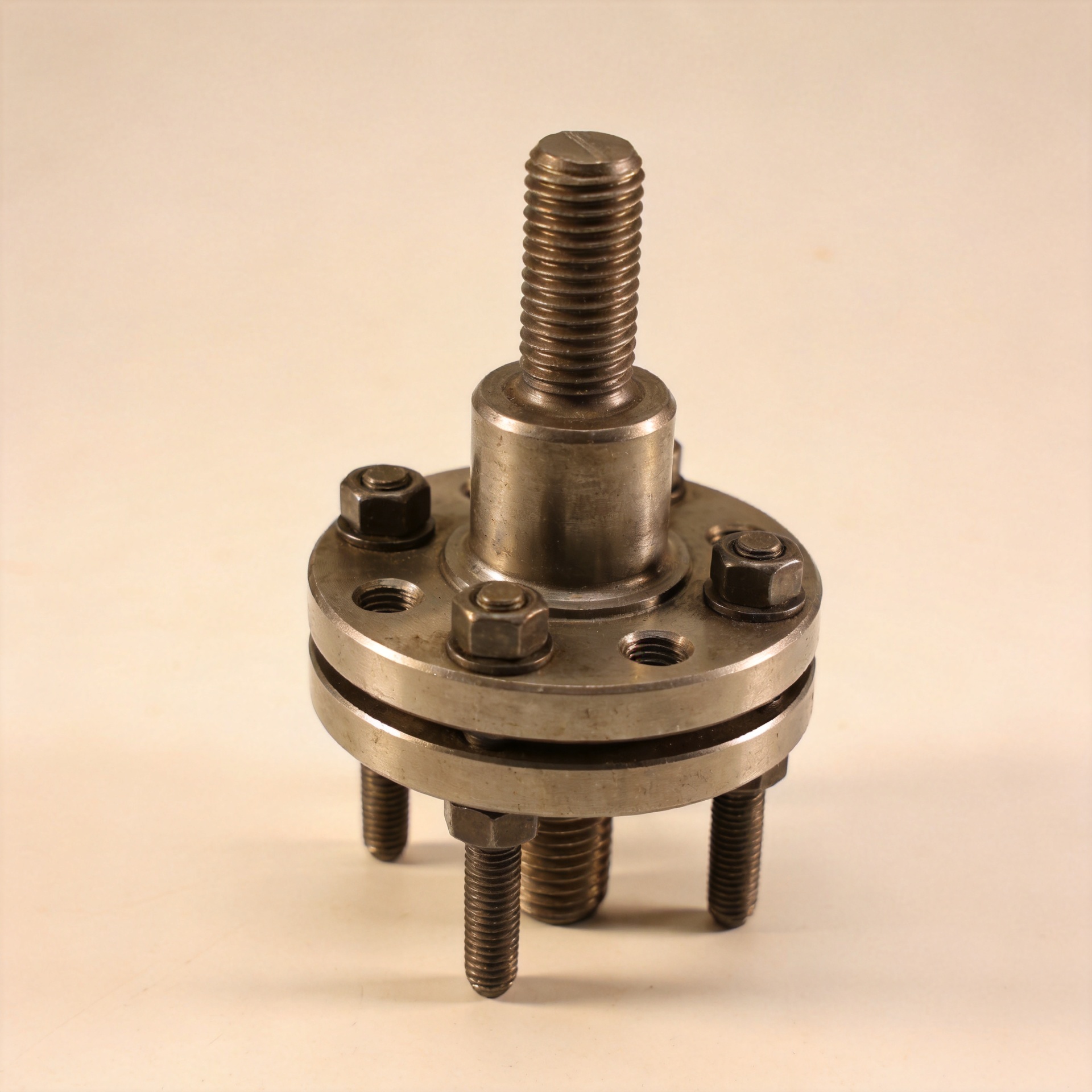
Why Stud Preload Strategy Matters in High Temperature Joints
In a high-temperature bolted joint, the installation torque is only the starting point. What keeps a flange, cover, or structural contact area stable in service is retained clamp load. That is why a preload strategy for Studs deserves the same attention as material selection, thread engagement, and tightening sequence. A joint can look sound at assembly, then lose sealing margin or joint stiffness after heat exposure if its preload window was not engineered for the full operating cycle.
This article refers to industrial threaded Studs, not jewelry studs. For engineers and buyers working with process equipment, steel structures, piping interfaces, or machinery, the practical question is straightforward: how can the joint maintain enough compression after temperature, friction, and settling change the load originally introduced at assembly?
Preload Is the Working Condition of the Joint
Preload is the tensile force deliberately introduced into a fastener during tightening. It compresses the clamped parts before external loads arrive. When the load path is designed well, much of a service load is absorbed by a reduction in that member compression rather than an equal increase in fastener tension. The objective is to keep the joint faces in contact over the expected load range.
That principle matters especially for Studs in elevated-temperature service. A studded joint may experience internal pressure, piping movement, vibration, or repeated heat-up and cool-down cycles. If retained clamp load falls too low, gaskets can unload, surfaces can move microscopically, and fatigue conditions can become less favorable. Raising installation torque without analysis is not a universal answer: the initial load must stay within the allowable range for the stud, nut, threads, and clamped components.
Why Heat Changes the Load You Thought You Applied
Temperature does not act on every part of an assembly in the same way. A threaded stud, nut, flange, washer, gasket, and surrounding structure can have different lengths, stiffnesses, materials, and thermal-expansion behavior. As temperature changes, their constrained expansion changes the force balance. Depending on the material combination and geometry, bolt load can rise or fall during heating and then move again during cooling.
Heat also makes time important. At elevated temperature, localized seating, embedment, creep in susceptible joint elements, and stress relaxation can reduce axial load. The loss is not simply “torque backing off”; it is a change in the force state of the whole joint. This is why torque recorded on a wrench is not proof that preload remains suitable after a thermal hold.
Three mechanisms to review before choosing a target preload
- Differential expansion: compare the thermal response of the stud and every layer in the grip length, not only the flange material.
- Relaxation and settlement: account for surface flattening, gasket behavior, coatings, thread seating, and any material that can creep at the service temperature.
- Friction variation: the same torque can create different tension when lubrication, surface finish, plating, or bearing-face condition changes.
A practical preload calculation therefore uses a minimum retained-load case and a maximum-load case. The minimum case checks separation, leakage, or slip risk. The maximum case checks stud stress, thread stripping, bearing pressure, and damage to softer clamped material. The operating condition—not a catalog torque value by itself—should define the acceptable window.
Choose the Stud Configuration for the Load Path
A double ended stud is often useful when a component needs to be assembled repeatedly or when a threaded base material should not be disturbed each time a cover is removed. One end stays installed in the base member while the nut on the exposed end supplies the clamping action. That arrangement can protect internal threads, but it makes installed depth, engagement length, runout, and bottoming clearance part of the preload plan.
A welding stud solves a different assembly problem: it establishes a fixed attachment point by welding rather than relying on an installed threaded end. It should not be treated as interchangeable with a high-temperature pressure-joint stud unless the weld procedure, base material, heat-affected zone, and applied load have been evaluated for that use. The attachment method changes the failure modes that the design review must address.
The term stud bolt is commonly used for a fully threaded fastener used with nuts on both ends. For flange work and other critical joints, verify the drawing definition, specified material grade, thread class, nut pairing, finish, and required protrusion. Names are less important than a complete fastener-system specification.
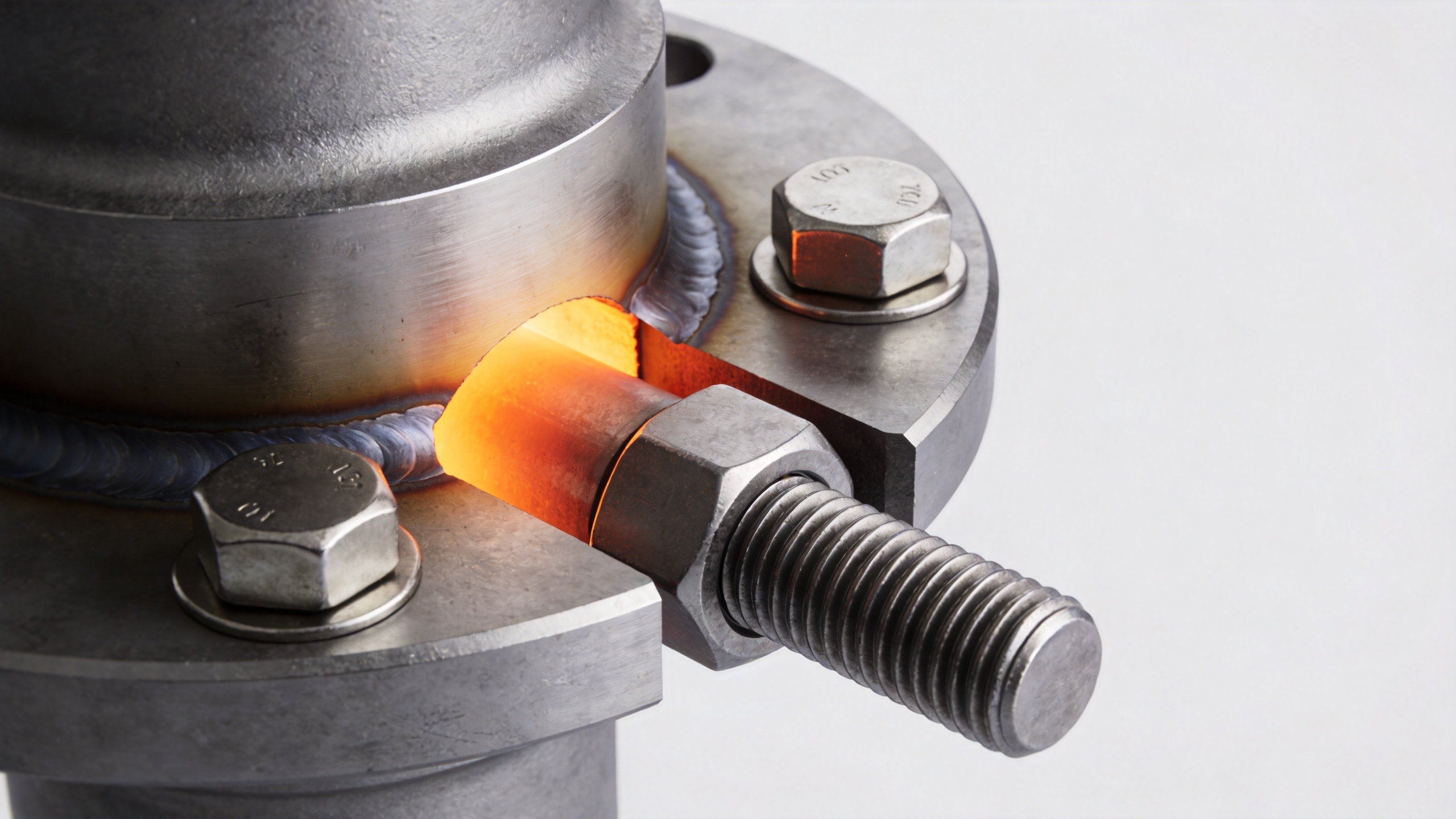
Build a Preload Strategy, Not Just a Tightening Instruction
For production work, a usable strategy begins before the wrench is picked up. First define the service envelope: assembly temperature, operating temperature range, pressure or external loads, cycle count, vibration, access constraints, and maintenance approach. Then establish the target fastener load and the acceptable upper and lower limits using the joint stack-up and material data.
- Specify the full fastener system. State the stud material and condition, nuts, washers, lubrication or coating, thread fit, and cleaning requirements. Changing one item can change friction and therefore actual preload.
- Control engagement and grip. Confirm that a double ended stud has adequate engagement without bottoming and that the loaded length provides appropriate elasticity. A very short effective stretch length can make preload more sensitive to seating losses.
- Select a controlled installation method. Torque may be suitable for lower-criticality applications when the process is validated. For critical joints, consider calibrated torque-tension testing, measured elongation, hydraulic tensioning, or another method appropriate to the geometry and procedure.
- Use a defined sequence. Cross-pattern passes and staged loading help distribute compression around flanges and covers. Record the sequence, tool calibration status, lubricant condition, and final settings.
- Validate the hot condition. Where service risk warrants it, test representative assemblies through temperature exposure and determine whether a planned recheck, retorque, or alternative hardware is justified. Do not assume a generic re-torque rule fits every joint.
Common Preload Mistakes in High-Temperature Assemblies
Make Terminology Part of the Inspection Record
Clear terminology helps an installation team apply the correct procedure. Record whether the assembly uses Studs, a threaded stud, a double ended stud, a welding stud, or a stud bolt. The identifier should appear on the drawing, traveler, and inspection sheet. For critical Studs, document the specified threaded stud engagement and the nut-running condition.
| Fastener term | Preload review point |
|---|---|
| Studs | Studs require a defined target-load window and an installation record. |
| threaded stud | Each threaded stud needs verified engagement and controlled thread friction. |
| double ended stud | A double ended stud requires separate checks for the installed end and nut end. |
| welding stud | A welding stud requires an attachment review as well as a load-path review. |
| stud bolt | A stud bolt requires matched nuts and a documented tightening sequence. |
At maintenance, inspect Studs after the relevant thermal cycle. Confirm that the threaded stud has not moved in its base thread, that the double ended stud has not bottomed, that a welding stud has no attachment concern, and that each stud bolt is assessed against its specified procedure. This vocabulary makes findings traceable and prevents a generic torque note from replacing a joint-specific preload plan.
A Procurement and Quality Checklist for Industrial Studs
- Confirm the drawing calls out the correct industrial stud configuration, thread form, length, and engagement requirement.
- Match stud and nut material to the specified temperature and corrosion environment, then verify documentation required by the project.
- Define permitted lubrication, coating, and cleaning condition before torque values are released to production.
- Request lot traceability and dimensional checks where the joint is safety-, pressure-, or uptime-critical.
- Use representative assembly trials when changing suppliers, finishes, torque procedures, or joint materials.
- Keep installation records that allow the team to compare preload process data with later inspection findings.
Qingdao Jeekuu Hardware Products Co., Ltd. supplies industrial fasteners across bolts, screws, nuts, washers, rigging hardware, and threaded rod categories. For a temperature-sensitive joint, share the drawing, material requirement, service range, assembly method, and inspection expectations so the fastener configuration can be reviewed against the actual application rather than selected by name alone.
Conclusion
High-temperature joints make the difference between applied torque and retained preload impossible to ignore. Effective strategies for Studs start with a defined load window, account for thermal expansion and relaxation, control the whole fastener system, and validate the assembly method under representative conditions. Whether the application uses a threaded stud, a double ended stud, a welding stud, or a stud bolt, the goal is the same: preserve suitable joint compression throughout service without overstressing the components that create it.