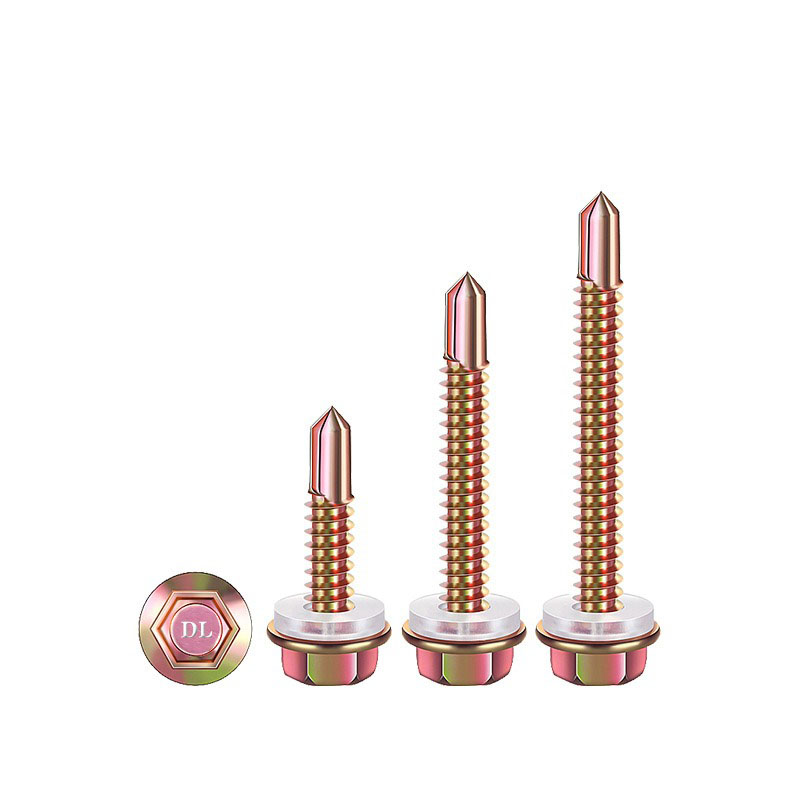
Custom Fastener Solutions for Better Fit

application/custom-fastener, application/custom-fastener, 
Inquiry
Inquiry

custom fastener

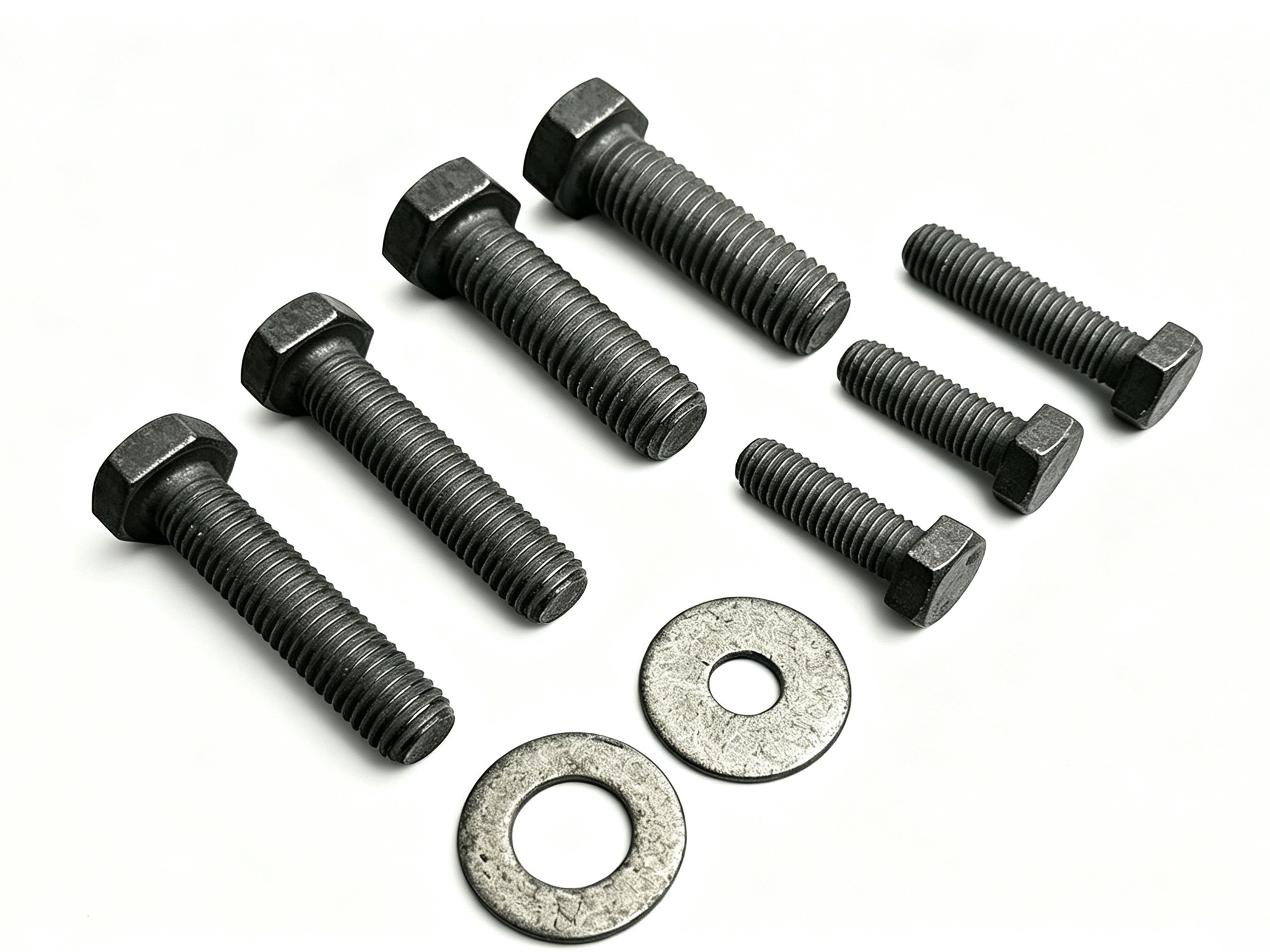
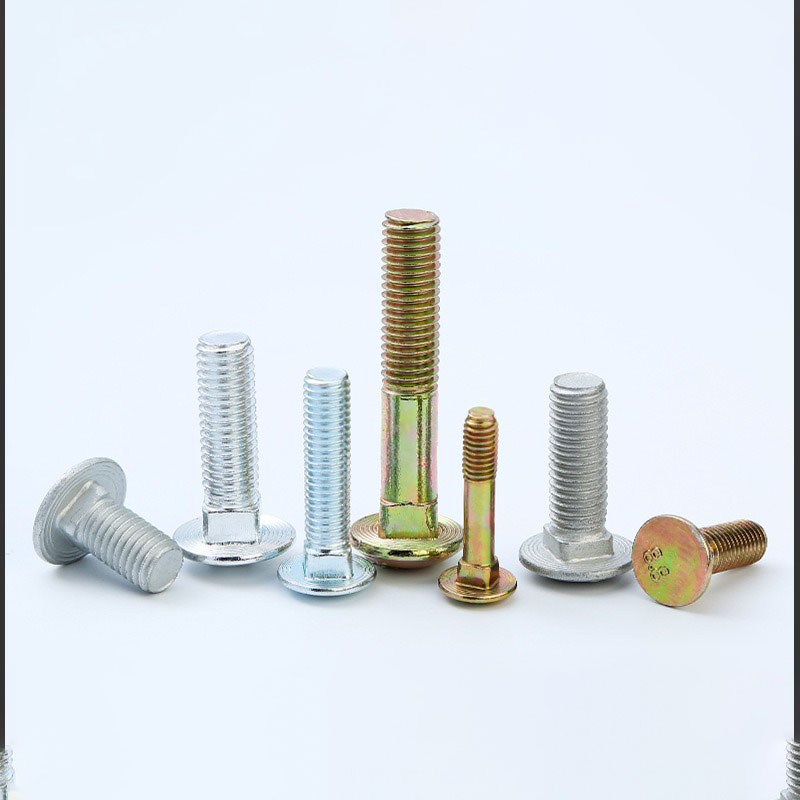
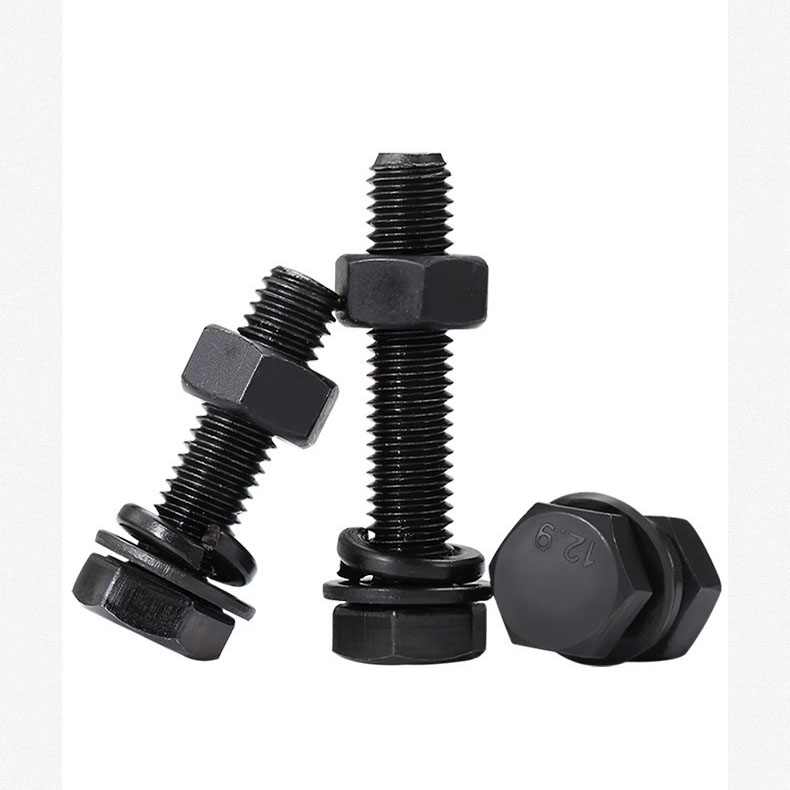
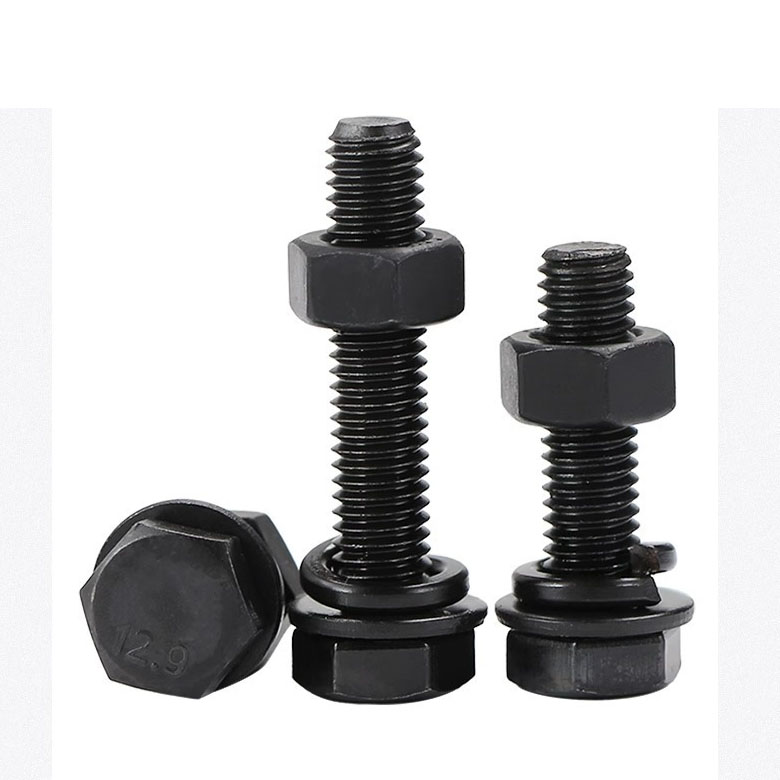
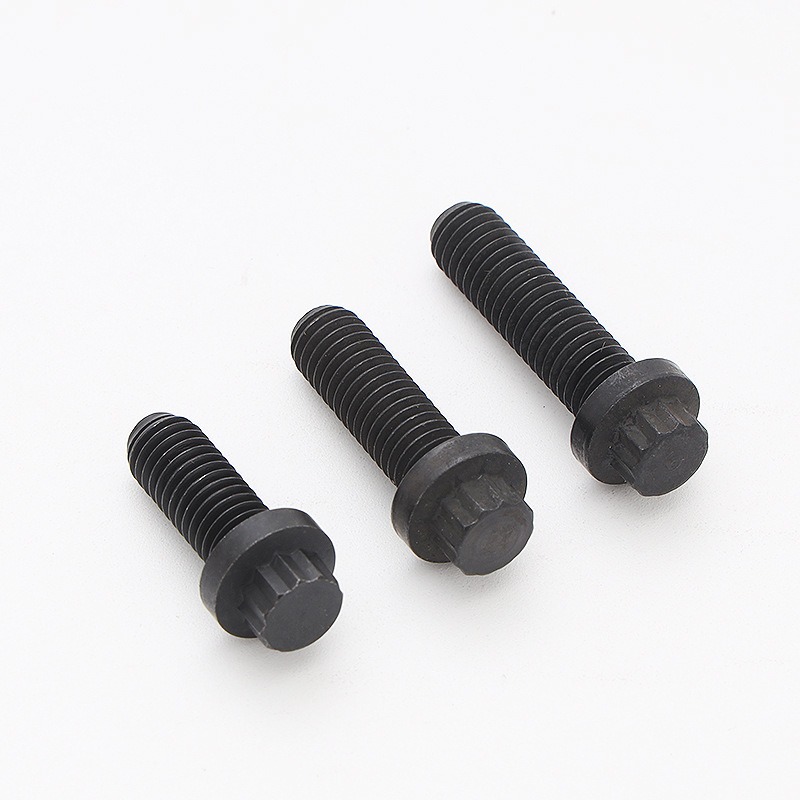
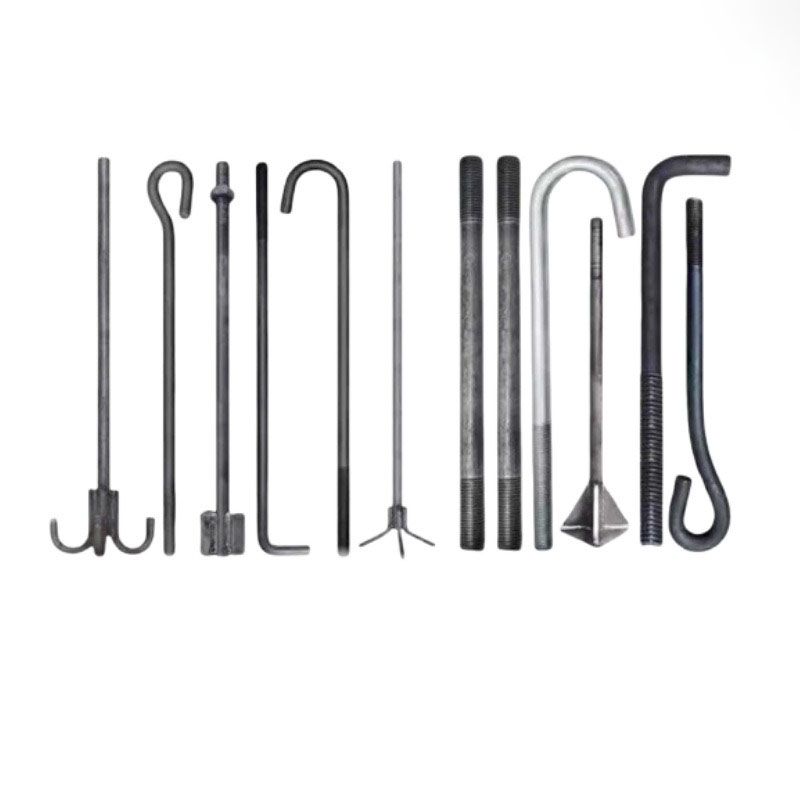
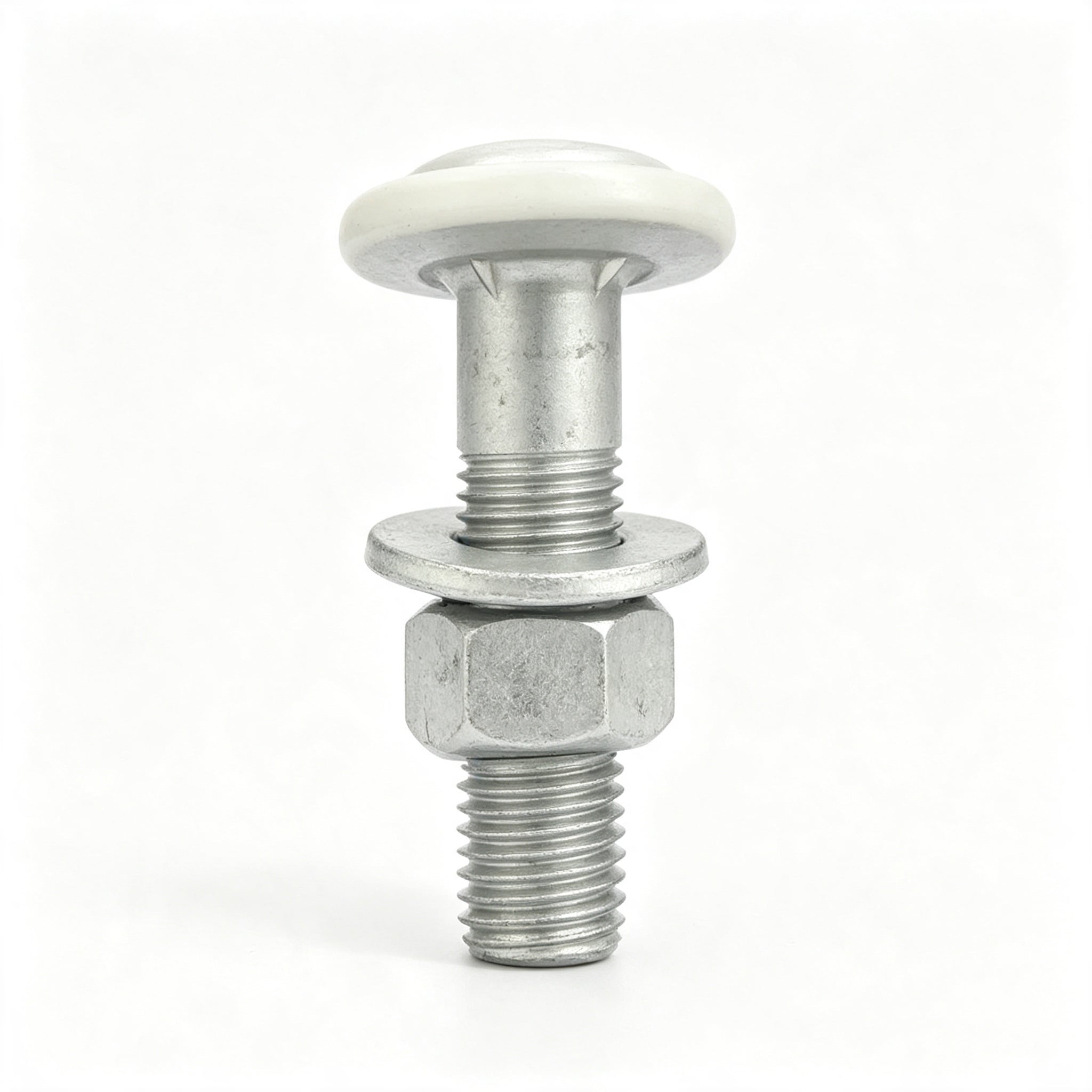
A custom fastener is a purpose-built joining component made to match the exact size, shape, strength, and installation needs of a product or assembly. Unlike a standard bolt, screw, rivet, stud, clip, or threaded insert, a custom fastener follows a customer-approved drawing or specification. This approach helps solve fit, access, load, sealing, and appearance challenges that off-the-shelf parts may not address. A custom fastener can use a chosen thread profile, head style, length, diameter, hole pattern, drive type, shoulder, slot, or locking feature. It may also combine several functions in one part, such as clamping, spacing, alignment, grounding, sealing, or retention. Manufacturers can produce the custom fastener from stainless steel, carbon steel, aluminum, brass, titanium, or engineered alloys. Material selection depends on load, temperature, corrosion exposure, weight targets, and contact with other materials. Surface treatments such as zinc plating, passivation, black oxide, anodizing, or specialized coatings can improve durability and appearance. Modern production uses CNC machining, cold forming, stamping, turning, thread rolling, laser cutting, and controlled heat treatment. A custom fastener can also receive dimensional inspection, hardness testing, coating checks, and functional testing before shipment. It serves automotive, aerospace, electronics, medical equipment, energy, construction, furniture, and industrial machinery applications. Buyers choose a custom fastener when reliable fit, repeatable assembly, and long service life matter more than a generic part. From early design review to volume production, the custom fastener gives engineering and purchasing teams a practical way to meet precise performance goals.
The main advantage of a custom fastener is a better fit for the real product. Engineers can specify dimensions that match available space, mating parts, material thickness, and assembly tools. This reduces the need for washers, shims, adapters, or manual alterations. A custom fastener can therefore simplify the bill of materials and reduce opportunities for assembly mistakes. When the part fits correctly the first time, workers spend less time sorting, adjusting, and reworking components. A custom fastener can also combine several functions, which may lower part count and shorten installation time. For example, one formed piece can provide clamping and alignment, while an integrated flange can distribute load and protect a surface. Customers also gain better control over strength and service life. Material, thread engagement, head design, and protective finish can match the working environment instead of forcing a compromise. A custom fastener built for outdoor equipment may resist moisture and salt, while one used in electronics may support grounding or controlled conductivity. This product context helps buyers select performance that fits the application rather than paying for features they do not need. Consistent drawings, samples, inspection plans, and production controls support repeatable quality across batches. That consistency helps maintain stable assembly settings and reduces field failures. A custom fastener may also support lighter product designs because engineers can place strength where it matters instead of using an oversized standard part. In purchasing decisions, the right custom fastener can improve labor efficiency, reduce inventory complexity, protect connected components, and support a cleaner finished appearance. It is especially suitable when standard hardware causes clearance problems, weak joints, visible defects, difficult access, or unreliable retention. Buyers should compare total value, including installation time, maintenance, warranty risk, and supply reliability, rather than judging only the unit price. Early supplier involvement can confirm manufacturability, tooling needs, minimum quantities, lead times, and inspection requirements before launch.

Practical Tips

Beyond Galvanizing: How the Sherardizing Process Builds Ultimate Protection for High-End Steel

21

Jul

Beyond Galvanizing: How the Sherardizing Process Builds Ultimate Protection for High-End Steel

Why Sherardizing outperforms galvanizing for high-end steel—extreme corrosion resistance, zero hydrogen embrittlement & self-healing protection.
View More
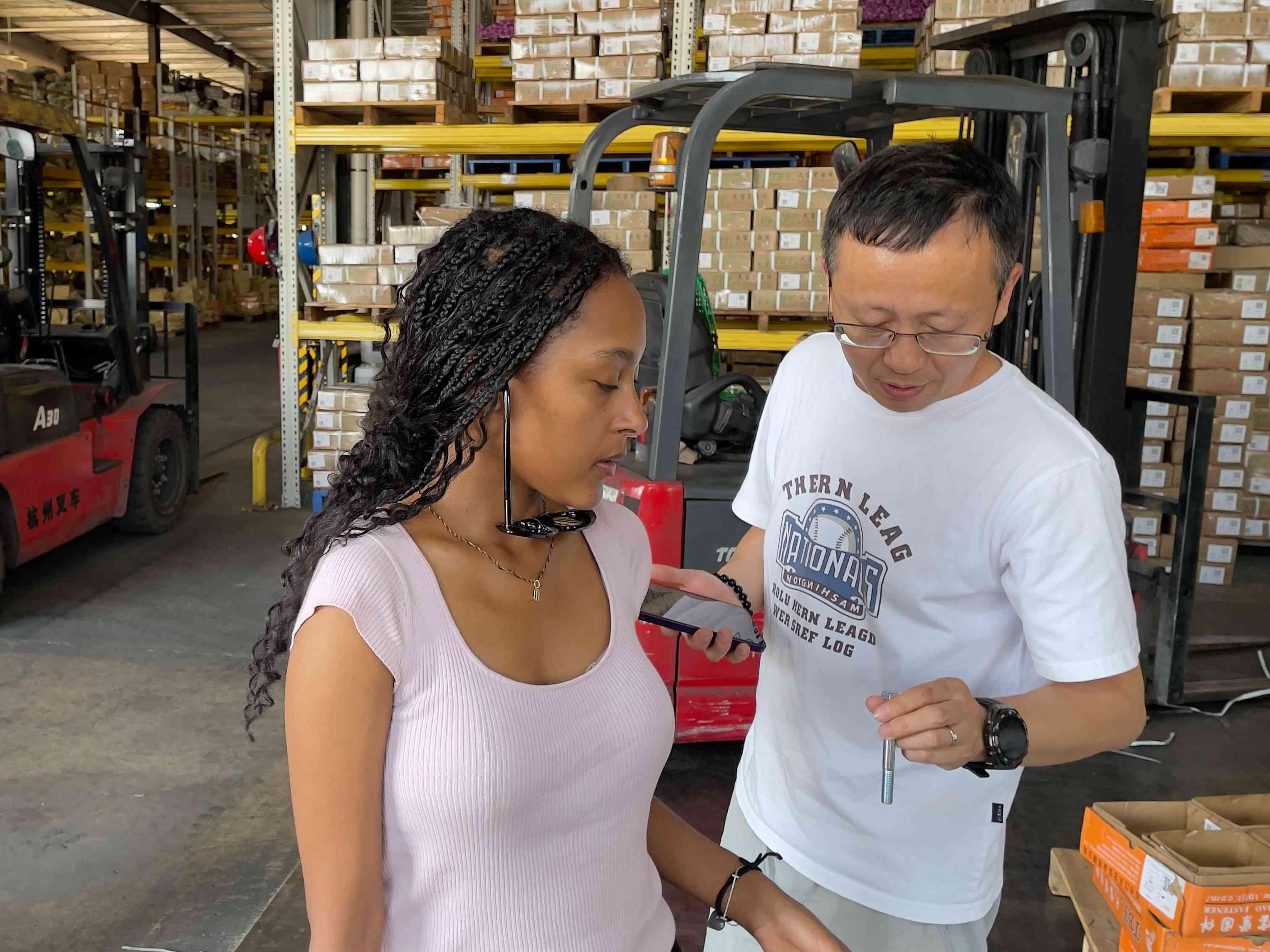
New Chapter in Sino-Ethiopian Trade Cooperation: Securing a Long-Term Fastener Procurement Agreement

21

Jul

New Chapter in Sino-Ethiopian Trade Cooperation: Securing a Long-Term Fastener Procurement Agreement

How China & Ethiopia secured a long-term fastener supply deal for East Africa's booming industrial sector. Discover reliability, scalability & global impact.
View More
Full Container Ready for Shipment! Premium Fasteners Bound for the U.S. Industrial Market

21

Jul

Full Container Ready for Shipment! Premium Fasteners Bound for the U.S. Industrial Market

Need reliable, ocean-ready fasteners for U.S. industrial buyers? Our full-container shipment delivers certified quality, export-optimized packaging & seamless logistics.
View More

Get a Free Quote

Our representative will contact you soon.
0/1000
Designed for an Exact Fit

Designed for an Exact Fit

A custom fastener starts with the actual assembly rather than a standard catalog size. Designers can define diameter, length, head height, shoulder position, thread form, drive style, and retention details around the available space. This matters when components sit close together, access is limited, or a joint must align with a molded, stamped, machined, or composite part. A custom fastener can also match unusual hole shapes or compensate for different material thicknesses. The result is a cleaner installation with fewer extra pieces and less risk of cross-threading, movement, or interference. Production teams benefit because the fastener supports a repeatable assembly sequence and may work with existing tools. Customers avoid improvised modifications that can weaken the joint or damage nearby surfaces. By solving the fit at the design stage, a custom fastener helps protect product appearance, shorten assembly time, and reduce costly rework. It gives engineers practical control over how the connection behaves in the finished product.
Materials and Finishes for Real Conditions

Materials and Finishes for Real Conditions

A custom fastener can be specified for the environment in which it will operate. Material choices include stainless steel for corrosion resistance, carbon steel for strong everyday joints, aluminum for low weight, brass for conductivity, and specialty alloys for demanding temperatures or loads. The selected material can work with the surrounding components and reduce the risk of rust, wear, cracking, or unwanted electrical interaction. Protective finishes add another layer of control. Zinc, passivation, black oxide, anodizing, and other treatments can support surface protection, appearance, friction control, or easier installation. This flexibility gives buyers a clearer path to dependable performance in vehicles, outdoor equipment, machinery, medical devices, and electronic products. Instead of accepting a general-purpose part, the customer can match the custom fastener to moisture, chemicals, heat, vibration, and cleaning conditions. Correct selection can extend service life and reduce replacement work. Supplier guidance can also help balance performance, appearance, compliance needs, and cost before production begins.
Reliable Production and Quality Control

Reliable Production and Quality Control

A custom fastener delivers the most value when every batch matches the approved design. Manufacturers can use machining, forming, stamping, turning, thread rolling, or combined processes to produce the required geometry efficiently. Process selection depends on material, shape, volume, tolerance, and surface requirements. Quality checks may include dimensional measurement, thread gauges, hardness testing, coating review, torque checks, and visual inspection. These controls help confirm that the part installs correctly and performs consistently in the finished assembly. A custom fastener can also be supported by samples, first-article approval, traceable records, and agreed packaging. This gives purchasing teams useful evidence when they qualify a new supplier or manage a critical component. Stable production reduces line stoppages, sorting, and customer complaints. It also supports predictable delivery for repeat programs. For low-volume prototypes and high-volume manufacturing alike, clear specifications and early communication help control tooling costs, lead time, minimum order quantities, and future changes.